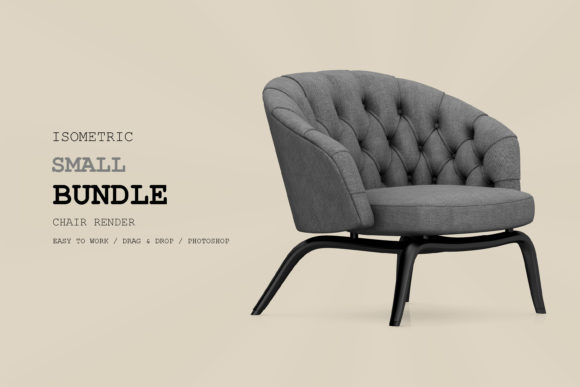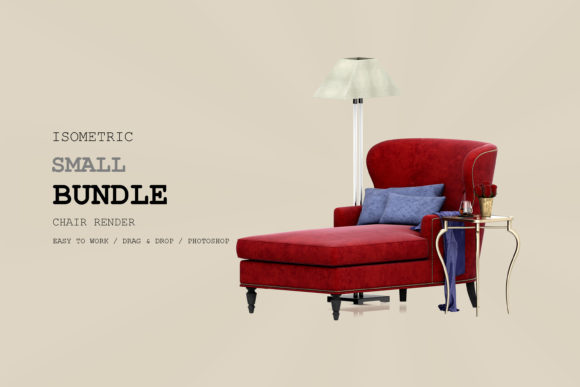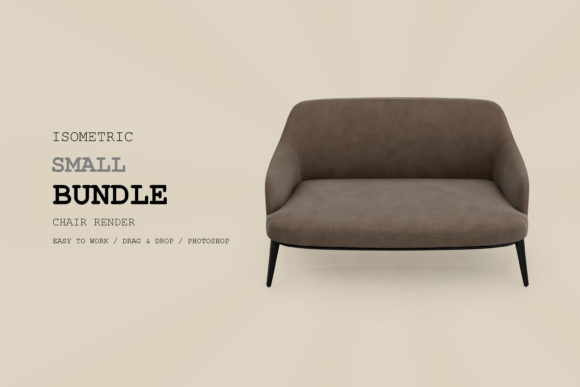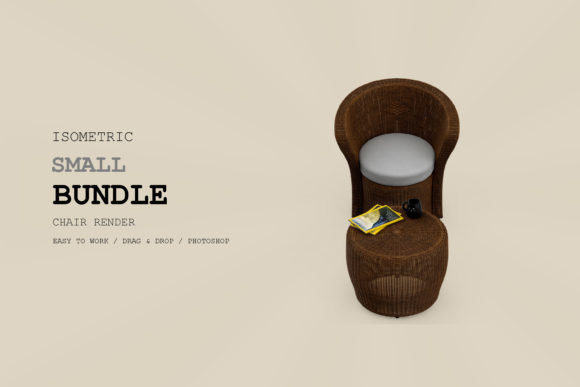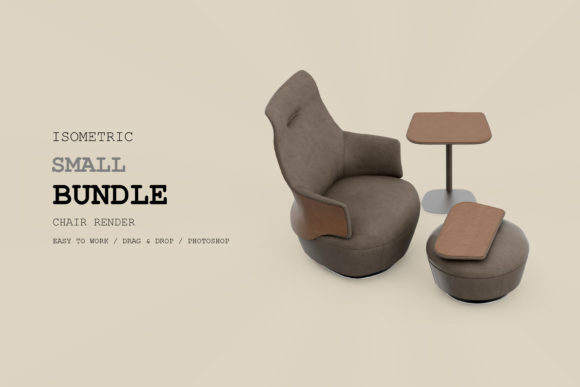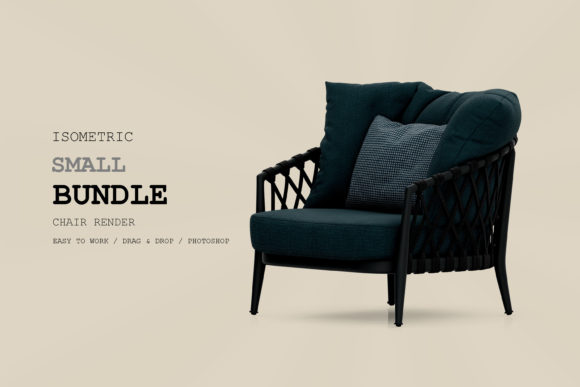
Isometric Armchair 3D Rendering Pack 176
In the landscape of digital content creation, visual consistency and rapid prototyping are not just advantages; they are necessities. Whether you are designing a mobile application interface, preparing marketing materials for an e-commerce platform, or illustrating a concept for a school project, the ability to present objects in a clear, stylized manner can significantly elevate the perceived quality of your work. This is where specialized asset libraries become invaluable tools in a creator’s workflow. Isometric Armchair 3D Rendering Pack 176 represents a focused solution for professionals and hobbyists who require high-fidelity, isometric furniture assets that integrate seamlessly into broader design systems.
The specific inclusion of an armchair—a staple of interior design and lifestyle imagery—might seem like a niche request, but it addresses a critical gap in many generic 3D libraries. Most packs offer generic cubes, boxes, or overly complex scene compositions. A dedicated, high-resolution rendering of an armchair allows designers to focus on composition, color theory, and user experience without getting bogged down in the technicalities of modeling and texturing from scratch. This pack is designed to fit directly into established workflows, offering separated backgrounds, organized layers, and high DPI resolution to ensure versatility across multiple mediums.
Technical Specifications and Workflow Integration
Understanding the technical specifications of Isometric Armchair 3D Rendering Pack 176 is the first step in determining how it fits into your production pipeline. The pack is delivered with several key features that prioritize usability and flexibility:
- Separated Background: Each rendering is provided with a transparent or isolated background. This eliminates the need for time-consuming masking processes in software like Photoshop or Illustrator, allowing for immediate placement into new compositions.
- High Resolution (300 DPI): At 300 dots per inch, these assets are print-ready. This specification is crucial for professionals moving between digital and physical media, ensuring that the crispness of the vector-like isometric style is maintained even when scaled up for posters, brochures, or large-format displays.
- Organized Layers: For those using vector-compatible formats or layered PSDs, the internal organization allows for granular control over shadows, highlights, and individual components of the chair. This facilitates quick color adjustments or stylistic modifications to match a brand’s specific palette.
- Separated Shadow: The inclusion of distinct shadow layers provides depth and grounding. Instead of relying on global lighting settings which can often look flat or inconsistent, designers can manipulate the opacity and angle of the shadow independently to create more realistic interactions between the armchair and other elements in the scene.
- Help File: Documentation is included to guide users through file compatibility and usage rights, reducing the friction often associated with integrating third-party assets.
These features collectively reduce the "time-to-value" for any project. In a typical design workflow, spending hours creating a single prop can derail a timeline. By utilizing pre-rendered, high-quality assets, creators can shift their focus from production to strategy and aesthetics.
Diverse Application Scenarios
The versatility of Isometric Armchair 3D Rendering Pack 176 allows it to be deployed across a wide spectrum of professional and personal projects. Below are several practical use cases that demonstrate its value in different contexts.
Architecture and Interior Design Visualization
For architects and interior designers, presenting concepts clearly is paramount. Isometric views provide a unique perspective that combines the clarity of a floor plan with the spatial understanding of a 3D model. Using this pack, designers can quickly populate floor plans with furniture to give clients a better sense of scale and layout. Because the armchair is rendered in a consistent isometric projection, it aligns perfectly with architectural drawings, avoiding the distortion issues common with perspective-based renders. The separated shadow feature is particularly useful here, as it helps define the footprint of the furniture within the room layout without cluttering the drawing.
E-Commerce and Digital Advertising
In the competitive world of online retail, product presentation drives conversion rates. While this pack focuses on an armchair, the principle applies to any furniture category. Marketers can use these high-resolution images in banner ads, social media campaigns, or website hero sections. The 300 DPI resolution ensures that the images remain sharp on high-density displays (Retina screens) and in printed catalogs. Furthermore, the separated background allows for easy integration into custom graphic designs, enabling A/B testing of different background colors or lifestyle scenes without needing to re-render the 3D model.
Social Media Content Creation
Content creators and influencers often struggle with maintaining a cohesive visual identity across platforms like Instagram, Pinterest, and LinkedIn. Isometric illustrations have gained significant traction for their clean, modern aesthetic. Isometric Armchair 3D Rendering Pack 176 provides a ready-made element that can be used in infographics, mood boards, or promotional posts. For example, a real estate agent might use the armchair image in a carousel post titled "5 Ways to Style Your Living Room," pairing the isolated asset with text overlays and other decorative elements. The organized layers allow for quick customization, such as changing the fabric color to match current seasonal trends.
Educational Materials and School Projects
Education is another area where visual aids enhance learning outcomes. Teachers and students working on design, architecture, or art projects can benefit from the clarity of isometric graphics. The pack serves as an excellent resource for illustrating concepts related to ergonomics, interior space planning, or industrial design history. The help file included in the pack can also serve as a teaching tool, explaining file formats and layer management to students learning digital design basics.
Blogging and Web Design
Bloggers and web developers constantly seek ways to break up text-heavy content and improve user engagement. Custom illustrations perform better than stock photography because they are unique and scalable. Integrating Isometric Armchair 3D Rendering Pack 176 into blog posts about home decor, remote work setups, or productivity tips adds a professional touch. Web designers can use the SVG or PNG versions to create interactive hover effects or dynamic layouts that respond to user actions, enhancing the overall user experience (UX).
Implementation Best Practices
To get the most out of this asset pack, consider the following practical tips for integration:
- Consistency Check: Before finalizing a design, ensure that the isometric angle of the armchair matches the grid system of your project. Most isometric packs follow a standard 30-degree angle, but verifying this early prevents alignment issues later.
- Shadow Management: Use the separated shadow layer to adjust the intensity based on the background brightness. On dark backgrounds, reduce the shadow opacity to prevent the object from looking muddy; on light backgrounds, increase contrast to maintain definition.
- Layer Organization: If you are modifying the colors or textures, keep the original layers intact. Create new adjustment layers above the base render to preserve the ability to revert changes if needed.
- File Format Selection: Choose the appropriate file format for your output medium. Use PNG for web use with transparency, TIFF or PSD for print projects requiring high fidelity, and SVG if your software supports vector manipulation for maximum scalability.
By treating Isometric Armchair 3D Rendering Pack 176 not just as a static image but as a modular component of a larger design system, creators can streamline their workflow, reduce repetitive tasks, and produce higher-quality visual content. Whether you are building a comprehensive architectural portfolio or a simple social media graphic, the combination of high resolution, organized layers, and versatile formatting makes this pack a robust addition to any digital toolkit.