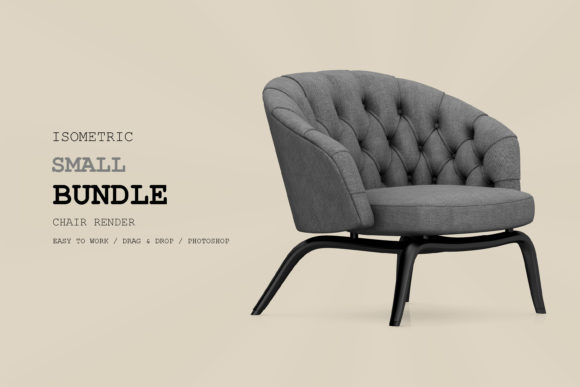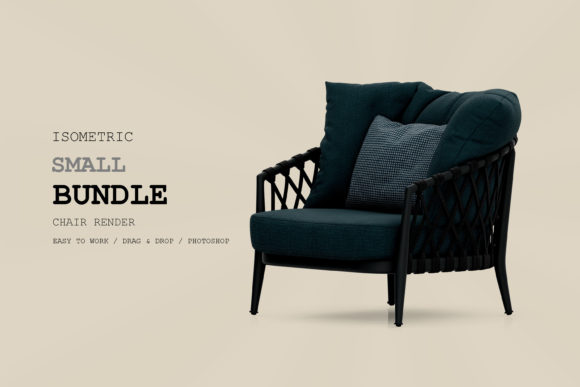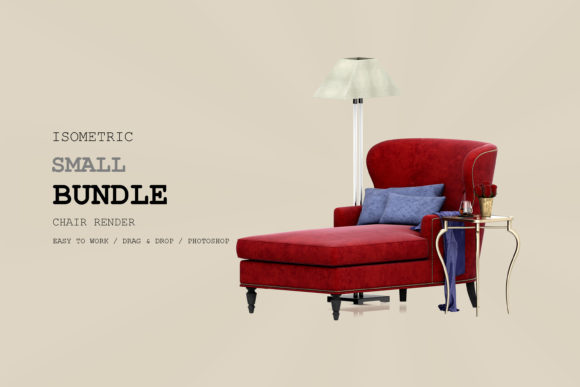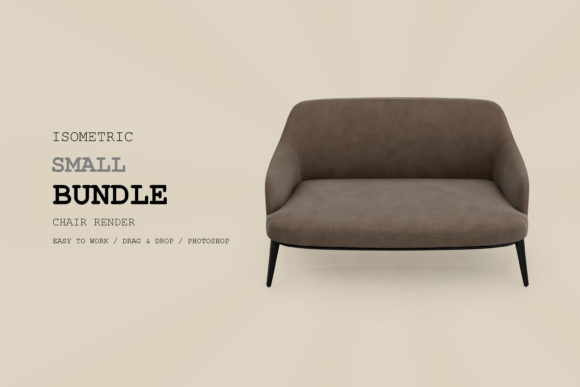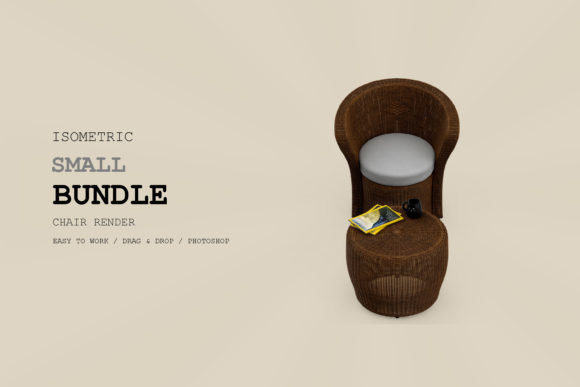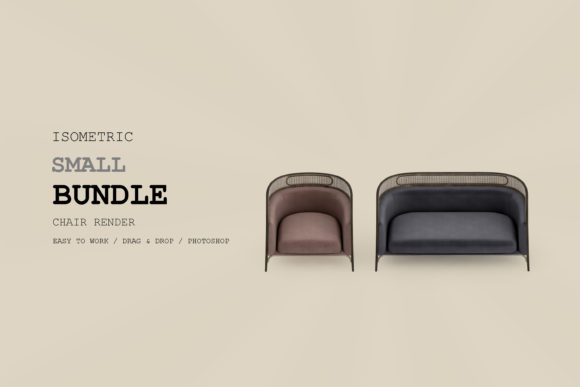
Isometric Armchair 3D Rendering Pack 159
In the landscape of digital design and visual communication, consistency is often more valuable than novelty. When creating isometric illustrations for architecture, interior design, or marketing materials, maintaining a cohesive aesthetic across multiple assets can be a significant bottleneck. This is where specialized asset libraries become indispensable tools in a designer’s workflow. Isometric Armchair 3D Rendering Pack 159 represents a high-quality solution designed to streamline this process, offering a versatile set of visual elements that integrate seamlessly into various professional and educational projects.
The pack is not merely a collection of images; it is a structured resource optimized for efficiency. By providing separated backgrounds, organized layers, and distinct shadow rendering, it allows users to manipulate these objects with precision. Whether you are preparing a presentation for a client, designing a layout for a social media campaign, or working on an academic project, understanding how to leverage such assets can significantly reduce production time while enhancing the final output's professionalism.
Understanding the Asset Structure and Quality
Before integrating any digital asset into a workflow, it is crucial to evaluate its technical specifications. Isometric Armchair 3D Rendering Pack 159 is delivered in high resolution at 300 DPI, a standard requirement for print-ready materials. This ensures that when the armchairs are scaled up for posters, brochures, or physical displays, they remain crisp and free from pixelation. For web-based applications, the high-resolution source files allow designers to export optimized versions without sacrificing quality, ensuring the asset serves dual purposes effectively.
The inclusion of a help file within the package indicates a user-centric approach to distribution. This documentation typically guides users through layer organization, recommended software compatibility, and usage rights. Navigating complex PSD (Photoshop) or AI (Illustrator) files can be daunting if the layer hierarchy is unclear. Organized layers mean that the armchair components—such as the base, cushions, and frame—are likely grouped logically, allowing for quick color changes, texture swaps, or individual element isolation without destroying the integrity of the original render.
Furthermore, the feature of a separated shadow is a critical technical detail. In isometric art, lighting must be consistent to maintain the illusion of three-dimensional space. A pre-rendered shadow that is separated from the main object allows designers to adjust opacity, blur, and position independently. This flexibility ensures that the chair fits naturally into different environments, whether placed on a dark floor, a light carpet, or integrated into a complex scene with varying light sources.
Integration into Professional Workflows
For professionals in architecture and interior design, visualization is key to selling concepts. Clients often struggle to interpret flat blueprints but respond well to realistic 3D representations. Using Isometric Armchair 3D Rendering Pack 159 allows architects to populate their isometric diagrams with high-fidelity furniture pieces. Instead of modeling every chair from scratch, which is time-consuming and prone to stylistic inconsistency, designers can drop in these pre-made assets. This accelerates the iteration process, enabling more options to be presented to clients in less time.
In the realm of advertising and marketing, visual appeal drives engagement. Social media platforms favor clean, modern aesthetics, and isometric illustrations have become a popular style for explainer graphics and product showcases. The separated background of the armchairs in this pack means they can be easily extracted and placed onto branded backgrounds or combined with other illustrative elements. Marketers can create dynamic compositions that highlight specific features of a room or a lifestyle concept without the need for expensive photoshoots.
Bloggers and content creators also benefit from this type of resource. High-quality visuals break up text-heavy articles and improve reader retention. By using consistent assets like those in Pack 159, a blogger can maintain a uniform brand identity across all posts. If a series of articles discusses home office setups, using the same style of armchair throughout the series creates a recognizable visual thread that enhances the overall user experience.
Practical Implementation and Compatibility
Successful implementation depends on knowing how these assets interact with your existing toolkit. Most isometric packs are compatible with industry-standard software such as Adobe Photoshop, Illustrator, Affinity Designer, and Procreate. Before starting a project, verify the file formats included in the download. Typically, these packs offer both raster (PSD) and vector (AI/EPS) formats. Vector formats are ideal for logos and scalable graphics, while raster formats preserve the detailed shading and lighting effects of the 3D render.
- Preparation: Set up your canvas with the correct dimensions and resolution before importing the assets. Ensure your workspace supports transparency so the separated backgrounds do not interfere with your composition.
- Organization: Create separate layers for each armchair instance. This non-destructive approach allows you to experiment with positioning and scaling without altering the original file.
- Consistency Check: Pay attention to the direction of the shadows. Since the pack provides separated shadows, ensure they align with the light source of your overall illustration. Inconsistent lighting can break the isometric illusion and make the image look unprofessional.
When working on school projects or educational materials, clarity is paramount. Students learning about spatial design or graphic principles can use these assets to focus on composition and color theory rather than struggling with the technicalities of 3D modeling. The help file associated with the pack can serve as a learning tool, explaining how layers work and how shadows contribute to depth perception.
Long-Term Value and Versatility
Investing in a well-curated asset pack offers long-term value. Unlike custom-made graphics that may only serve a single purpose, reusable assets like Isometric Armchair 3D Rendering Pack 159 can be stored in a personal library and deployed across multiple future projects. As your portfolio grows, having a consistent set of high-quality furniture pieces helps build a cohesive body of work. This is particularly useful for freelancers who need to deliver rapid results to diverse clients while maintaining a high standard of quality.
Additionally, the versatility of the armchair design means it can adapt to various themes. Through simple color adjustments enabled by the organized layers, a single asset can represent a modern office chair, a cozy living room seat, or a vintage lounge piece. This adaptability reduces the need to purchase multiple similar assets, saving both money and storage space.
Ultimately, the goal of using resources like this is to enhance productivity and creative freedom. By removing the friction associated with creating basic elements from scratch, designers can focus on the bigger picture: storytelling, branding, and effective communication. Isometric Armchair 3D Rendering Pack 159 serves as a reliable component in this ecosystem, supporting workflows from initial concept to final delivery. Its high resolution, organized structure, and separation of elements make it a practical choice for anyone looking to elevate their isometric designs with minimal effort and maximum impact.
Whether you are launching a new website, preparing a print advertisement, or completing a university assignment, integrating high-quality, ready-to-use assets is a smart strategic decision. It allows for faster turnaround times, greater consistency, and a more polished final product. By taking the time to understand the capabilities of Isometric Armchair 3D Rendering Pack 159, you can seamlessly incorporate it into your routine, ensuring that your visual communications are both efficient and visually compelling.