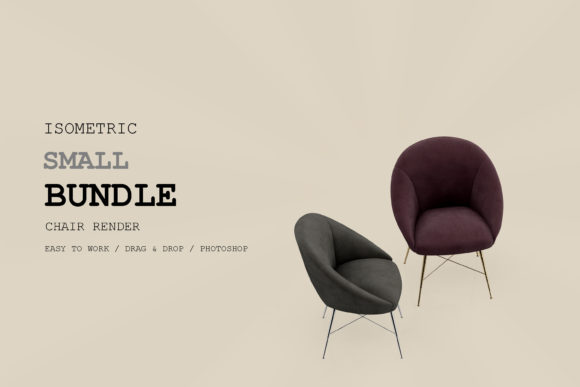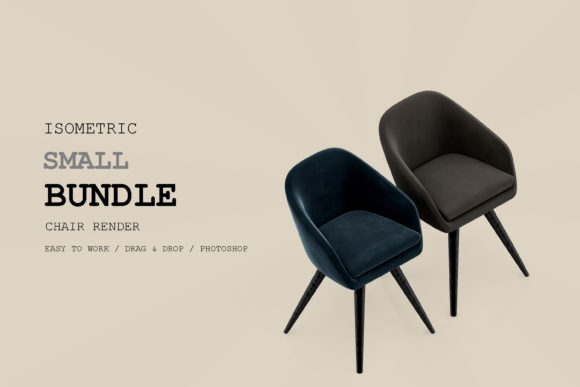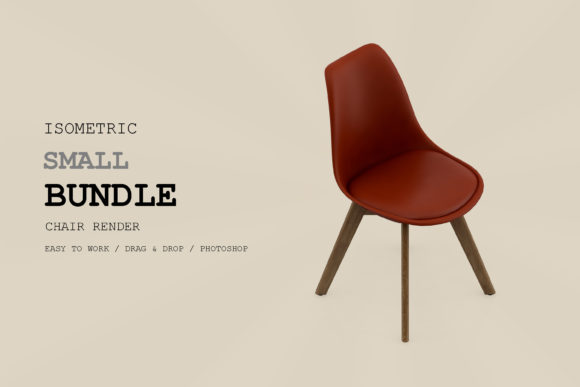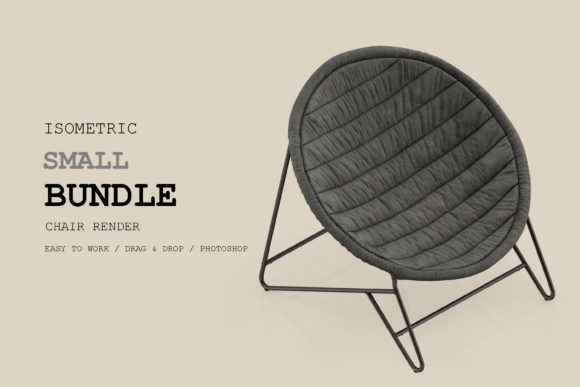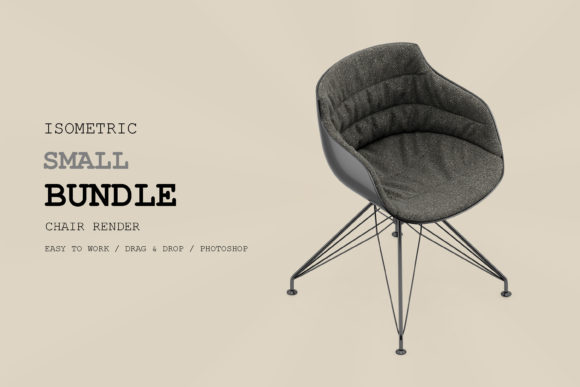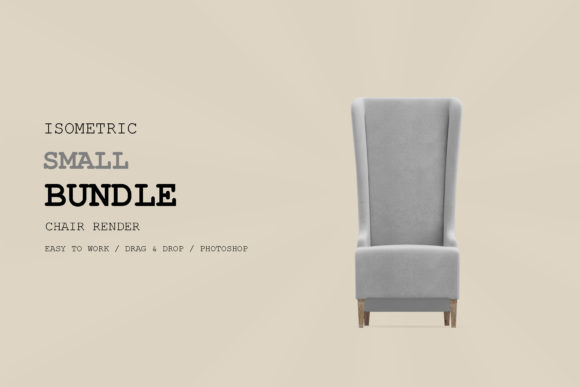
Isometric Chair 3D Render Pack 184
In the landscape of modern digital design, visual clarity is not merely an aesthetic preference; it is a strategic asset. When communicating complex spatial relationships or product features, flat imagery often falls short. This is where Isometric Chair 3D Render Pack 184 enters the workflow as a precise tool for professionals who value structure, scalability, and clarity. Whether you are a freelance designer crafting a brand identity, an architect presenting a concept, or an educator simplifying a technical lesson, the way you present information dictates how well it is received.
This pack is not simply a collection of images; it is a modular system designed for integration into high-stakes projects. By understanding the technical specifications—such as its separated background, high resolution at 300 DPI, and organized layers—you can leverage these assets to reduce production time while elevating the perceived quality of your output. The following analysis explores how to strategically deploy this resource across various professional domains.
The Strategic Value of Isometric Precision
Isometric projection offers a unique advantage in visual communication: it eliminates perspective distortion, allowing viewers to understand proportions and dimensions accurately. Unlike standard perspective renders, which can exaggerate depth and obscure details, isometric views provide a balanced, mathematical representation of space. Isometric Chair 3D Render Pack 184 capitalizes on this by providing clean, geometrically accurate representations of seating furniture.
For entrepreneurs and small business owners, this accuracy translates directly into trust. When potential customers view a product visualization that clearly shows structural integrity and material texture without visual clutter, their confidence in the offering increases. Similarly, in architecture and interior design, these renders serve as reliable placeholders or final assets in mood boards, helping clients visualize how specific furniture pieces will occupy physical space without the need for expensive physical prototyping.
Technical Specifications as Workflow Accelerators
Efficiency in creative workflows is often determined by the flexibility of the source files. The technical attributes of Isometric Chair 3D Render Pack 184 are engineered to support rapid iteration and customization. Understanding these features allows designers to make smarter decisions about file management and editing processes.
- Separated Background: The ability to isolate the chair from any ambient environment means you can place it into any context—be it a minimalist white backdrop for e-commerce or a textured studio setting for editorial use. This separation removes the need for tedious masking work, saving hours of manual labor.
- High Resolution (300 DPI): Digital screens require lower resolutions, but print media demands precision. A 300 DPI guarantee ensures that when you move from screen to paper, the image remains crisp. This is critical for marketing materials such as brochures, business cards, and large-format posters where pixelation would undermine brand credibility.
- Organized Layers: In complex design software, disorganized files lead to errors and version control nightmares. Pack 184’s structured layering allows for non-destructive editing. You can adjust shadows, recolor upholstery, or modify lighting effects independently, giving you granular control over the final aesthetic without compromising the original geometry.
- Separted Shadow: Shadows ground objects in reality. Having the shadow on a separate layer enables you to manipulate opacity, blur, and position. This allows for dynamic lighting simulations, ensuring the chair looks like it belongs in the scene rather than floating above it.
Practical Applications Across Industries
The versatility of Isometric Chair 3D Render Pack 184 makes it applicable to a wide range of professional activities. However, success depends on aligning the asset with the specific goals of the project.
Architecture and Interior Design
Architects and interior designers frequently struggle to convey scale and proportion to clients who may lack technical drawing skills. Isometric views bridge this gap. By integrating these renders into floor plans or room layouts, designers can create intuitive visual narratives. The separated background feature allows for seamless blending into 2D architectural drawings, while the organized layers permit quick swaps between different chair models to explore alternative design directions efficiently.
E-Commerce and Retail Advertising
In the competitive world of online retail, product photography is paramount. However, shooting every angle of every furniture piece is cost-prohibitive for many brands. High-quality 3D renders offer a scalable solution. Using Pack 184, retailers can generate consistent, uniform images for product catalogs. The 300 DPI resolution ensures these images meet the standards for both web display and printed lookbooks. Furthermore, the separated shadow allows for consistent lighting across diverse product lines, reinforcing brand cohesion.
Education and Training Materials
Educators and instructional designers benefit significantly from the clarity of isometric graphics. In textbooks, online courses, or training manuals, complex concepts often require simple visual aids. An isometric chair render can be used to explain ergonomic principles, manufacturing processes, or assembly instructions. The separated layers allow educators to deconstruct the image, showing internal components or assembly steps in subsequent slides or pages, thereby enhancing learning outcomes.
Social Media and Content Marketing
For bloggers, influencers, and social media managers, engagement is driven by visually striking content. Isometric illustrations have become a popular trend in digital marketing due to their clean, modern aesthetic. Isometric Chair 3D Render Pack 184 provides ready-to-use assets that can be quickly customized to fit brand colors and themes. The high resolution ensures that graphics remain sharp even when shared across multiple platforms, from Instagram posts to LinkedIn articles.
Strategic Considerations and Risk Mitigation
While the utility of 3D render packs is undeniable, relying on them without a clear strategy can lead to generic or ineffective results. It is essential to approach these assets with intentionality.
Avoiding Visual Homogeny
One risk of using popular 3D asset packs is creating content that looks indistinguishable from competitors who use the same resources. To mitigate this, designers must treat the render as a base layer rather than a final product. Utilize the organized layers to apply custom textures, adjust lighting angles, or combine multiple elements from the pack to create unique compositions. This customization ensures that the final output reflects your brand’s distinct voice and avoids the pitfalls of template fatigue.
Maintaining Contextual Relevance
Another consideration is contextual appropriateness. An isometric chair render might not suit every type of communication. For instance, in emotional storytelling or lifestyle-focused advertising, hyper-realistic photography might evoke stronger empathy than geometric renders. Decision-makers should evaluate the emotional tone of their campaign before selecting visual assets. Use isometric renders for informational, technical, or structural communication, and reserve photorealism for narrative-driven content.
Technical Compatibility
Before integrating Isometric Chair 3D Render Pack 184 into a workflow, ensure compatibility with your existing software ecosystem. Verify that the file formats (typically PSD, AI, or similar vector/raster hybrids) are supported by your design tools. Additionally, consider the file size and performance implications, especially if working on older hardware or collaborating with team members who may have limited computational resources.
Maximizing Long-Term Value
To get the most out of Isometric Chair 3D Render Pack 184, integrate it into a reusable library system. Organize the assets by style, color, or function within your digital asset management (DAM) system. This preparation pays dividends during peak workload periods, allowing for rapid deployment of high-quality visuals without the stress of last-minute creation.
Furthermore, document your usage guidelines. Establish standards for how shadows are applied, what backgrounds are acceptable, and how colors are adjusted. These guidelines ensure consistency across all projects, reinforcing brand identity and professional reliability. By treating this pack as a foundational component of your design infrastructure rather than a one-off solution, you enhance productivity and maintain a high standard of visual excellence.
Conclusion
The decision to incorporate Isometric Chair 3D Render Pack 184 into your projects should be guided by a clear understanding of your communicative goals. Its technical strengths—high resolution, separated layers, and isometric precision—make it a powerful tool for architects, marketers, educators, and designers alike. By approaching these assets with strategic intent, customizing them to fit specific contexts, and maintaining rigorous quality standards, you can transform simple 3D renders into compelling visual narratives that drive engagement, clarify complex ideas, and support long-term business objectives.