Evaluating Isometric Chair 3D Render Pack 303 for Professional and Creative Projects
In the rapidly evolving landscape of digital design, the demand for high-quality, versatile visual assets has never been greater. Designers, architects, marketers, and educators are constantly seeking resources that can streamline their workflow while delivering professional-grade results. Among these resources, the Isometric Chair 3D Render Pack 303 has emerged as a notable option for those requiring precise, stylized furniture representations. This article provides a comprehensive evaluation of this specific asset pack, analyzing its technical specifications, potential applications, and how it compares to broader categories of 3D modeling and rendering solutions.
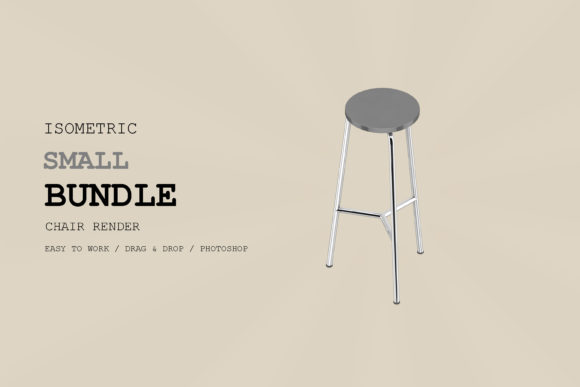
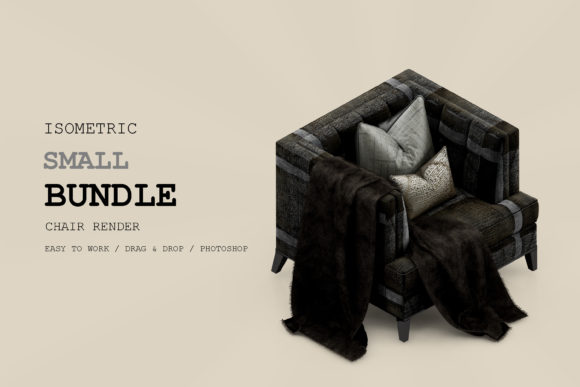
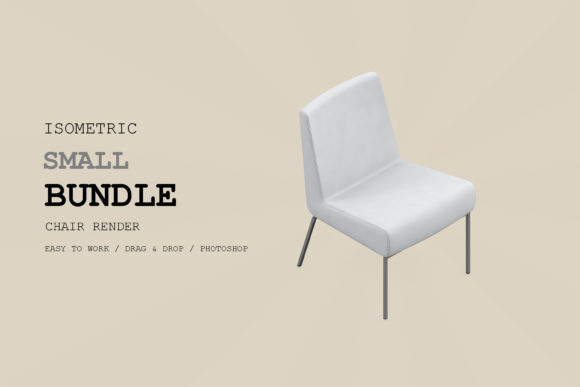
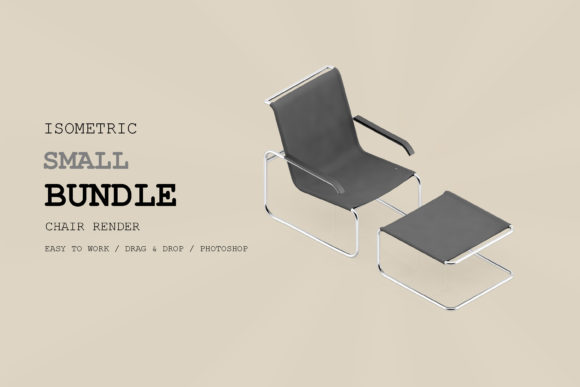
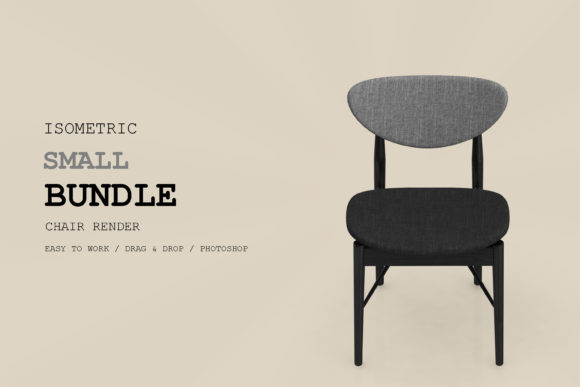
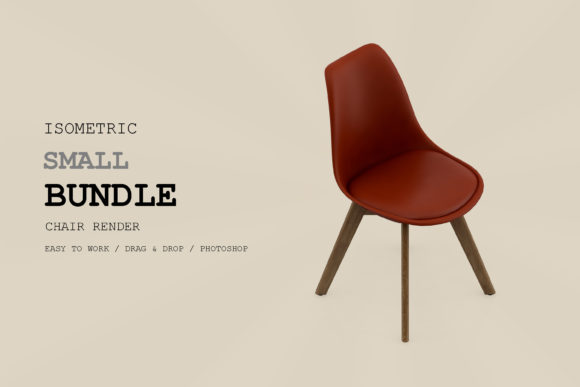
The core appeal of any 3D asset lies not just in its aesthetic quality but in its usability within existing workflows. The Isometric Chair 3D Render Pack 303 is designed with this principle in mind, offering a collection of pre-rendered chair models that adhere to strict isometric projection standards. Unlike raw 3D model files (.obj or .fbx) that require significant post-processing, lighting setup, and camera angle adjustments, this pack delivers ready-to-use images. This distinction is crucial for professionals who need to integrate furniture into layouts quickly without getting bogged down in the complexities of real-time rendering engines.
Technical Specifications and Asset Quality
When evaluating digital assets, technical fidelity is the first metric of consideration. The Isometric Chair 3D Render Pack 303 boasts several key features that cater to both print and digital media requirements. Most notably, the pack includes high-resolution images at 300 DPI. This resolution standard is critical for print projects, ensuring that when chairs are placed into brochures, catalogs, or architectural presentations, they remain crisp and free from pixelation. For web-based applications, where screen resolution varies, these high-res files can be easily downscaled without losing perceptible quality, providing flexibility across platforms.
Another significant advantage is the inclusion of organized layers and separated shadows. In graphic design software such as Adobe Photoshop or Illustrator, the ability to isolate elements is paramount. By separating the shadow from the main object, designers can manipulate depth, adjust opacity, and blend the chair seamlessly into different backgrounds. This level of control allows for a more natural integration of the asset into complex scenes, avoiding the "floating" effect that often plagues poorly integrated 3D renders. Furthermore, the presence of a help file indicates a commitment to user experience, guiding users through installation, licensing, and usage tips, which reduces the learning curve for less experienced designers.
Comparison with Raw 3D Models and Vector Graphics
To understand where the Isometric Chair 3D Render Pack 303 fits in the market, it is helpful to compare it with two common alternatives: raw 3D model files and vector graphics.
Raw 3D Models: While downloading a raw .obj file might seem like the most flexible option, it requires a steep technical investment. Users must have access to software like Blender, Maya, or 3ds Max, along with the knowledge to set up lighting, textures, and camera angles. Achieving a consistent isometric view across multiple models can be time-consuming and prone to inconsistency. The render pack eliminates this barrier, offering immediate visual consistency. If your project timeline is tight or if you lack specialized 3D software skills, the render pack is the superior choice.
Vector Graphics: Vector illustrations offer infinite scalability and small file sizes, making them ideal for web icons and simple diagrams. However, vectors often struggle to convey realistic materials, lighting effects, and depth. A vector chair may look clean but can appear flat and artificial in high-end architectural visualizations or realistic product advertisements. The Isometric Chair 3D Render Pack 303 bridges this gap by offering the photorealistic detail of 3D rendering with the ease of use of raster images. It is best suited for projects where realism and material texture matter, whereas vectors are better for abstract or schematic representations.
Practical Applications and Use Cases
The versatility of the Isometric Chair 3D Render Pack 303 makes it suitable for a wide array of industries. Below are some specific scenarios where this asset pack adds significant value.
- Architecture and Interior Design: Architects often use isometric views to present space planning concepts to clients who may not be familiar with perspective drawings. The high resolution and separated shadows allow designers to place chairs into floor plans accurately, maintaining scale and visual harmony. The pack’s consistency ensures that all furniture pieces look like they belong to the same environment.
- E-Commerce and Advertisement: Online retailers need high-quality images to showcase products. While photographing every chair variant is expensive, using rendered assets can supplement photography or serve as placeholders during the design phase. The 300 DPI resolution meets the standards for printed catalogs, while the clean background (in the separated version) allows for easy compositing onto branded backgrounds for social media ads.
- School Projects and Educational Materials: Students in design, architecture, or marketing courses often need to create professional-looking presentations. Using a structured asset pack helps them focus on composition and layout rather than struggling with 3D modeling software. The included help file further supports educational settings by providing clear instructions.
- Blogging and Social Media Content: Content creators frequently need engaging visuals to break up text and illustrate points. Isometric illustrations are trending on platforms like Instagram and Pinterest due to their clean, modern aesthetic. The Isometric Chair 3D Render Pack 303 provides ready-made content that can be customized with brand colors or overlaid with text, saving hours of creation time.
- Website Design: Web designers can use these renders in hero sections, feature lists, or about pages to add visual interest. The organized layers allow for creative effects, such as parallax scrolling or hover animations, enhancing user engagement without heavy coding requirements.
Evaluating Tradeoffs and Limitations
No single resource is perfect, and understanding the limitations of the Isometric Chair 3D Render Pack 303 is essential for making an informed decision. One primary tradeoff is the lack of interactivity. Since these are static images, they cannot be rotated or viewed from different angles by the end-user, unlike WebGL-enabled 3D viewers found on some e-commerce sites. If your project requires interactive 360-degree product views, you would need to invest in dynamic 3D modeling tools instead.
Additionally, while the pack offers separated shadows, it does not provide fully customizable lighting environments. You are limited to the lighting conditions baked into the render. If your specific project requires a chair to cast a shadow under a very specific light source (e.g., a sunset glow), you may need additional compositing skills or supplementary assets to achieve the desired effect. However, for general purposes, the provided separation is usually sufficient for most design needs.
Another consideration is file size. High-resolution 300 DPI images can be large, potentially slowing down website load times if not optimized correctly. Designers must balance quality with performance, possibly creating multiple versions of the assets for different uses (e.g., low-res for web thumbnails, high-res for print).
Decision Factors: When to Choose This Pack
Choosing between various design resources depends on your specific project goals, technical expertise, and budget. The Isometric Chair 3D Render Pack 303 is an excellent choice if:
- Speed is a priority: You need to produce high-quality visuals quickly without spending days setting up 3D scenes.
- Consistency is key: You are creating a series of images (like a catalog or presentation) where uniform style and lighting are important.
- You lack 3D software proficiency: You prefer working in 2D design tools like Photoshop or Illustrator and want assets that integrate smoothly into those workflows.
- Print quality is required: You need assets that meet the 300 DPI standard for physical production.
Conversely, you might look for alternative options if:
- You require interactive 3D experiences for web or mobile apps.
- You need complete control over lighting and material properties in real-time.
- Your budget allows for hiring a 3D artist to create custom models tailored to your exact specifications.
Conclusion
The Isometric Chair 3D Render Pack 303 represents a practical solution for designers and creatives who value efficiency and quality. Its combination of high resolution, organized layers, and separated shadows makes it a versatile tool for everything from school projects to professional architectural presentations. While it may not replace the need for full 3D modeling in highly interactive contexts, it excels in static, high-fidelity applications where speed and consistency are paramount. By understanding its strengths and limitations, users can determine whether this pack aligns with their current project needs, ultimately streamlining their creative process and enhancing the final output.