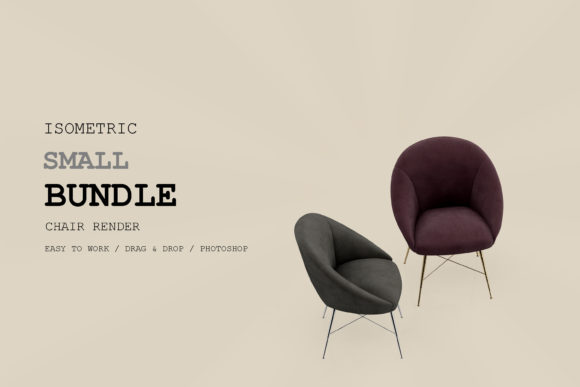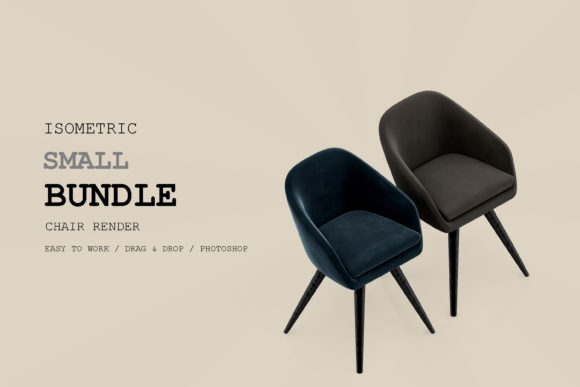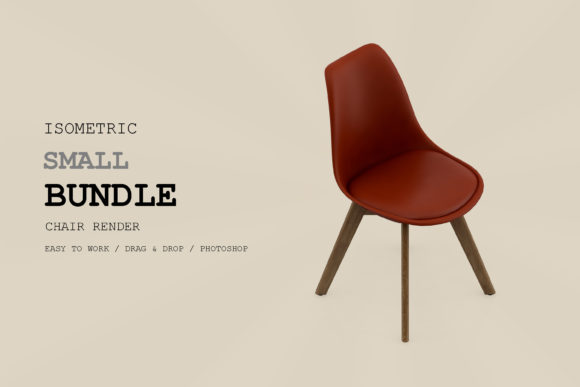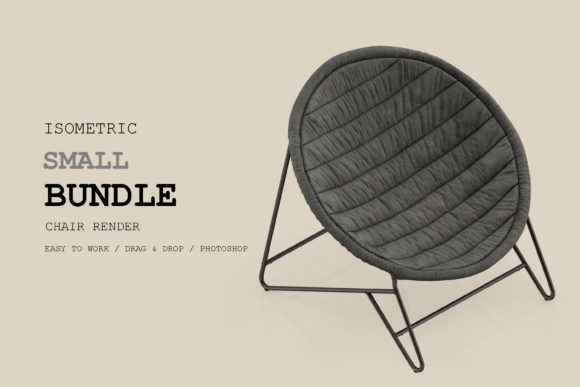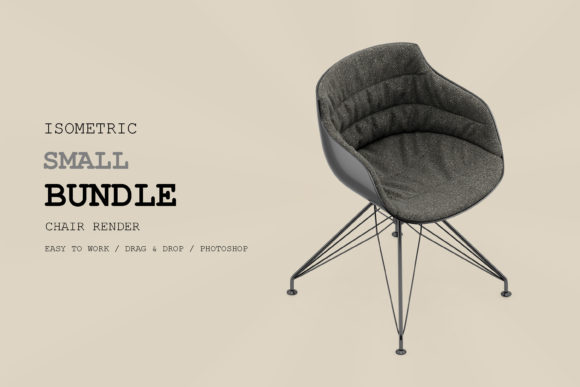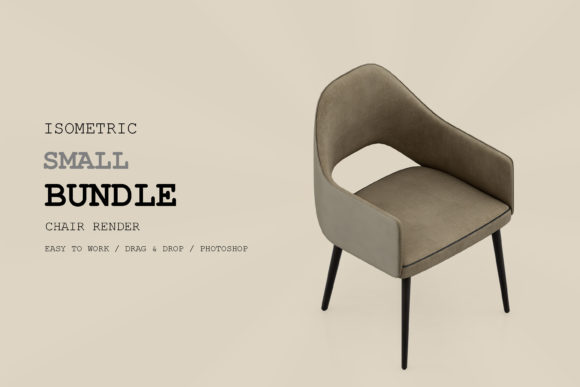
Isometric Chair 3D Render Pack 215
In the landscape of digital asset creation, consistency and efficiency are often the primary bottlenecks for designers, marketers, and content creators. Whether you are building a comprehensive brand identity, designing an educational infographic, or preparing high-resolution print materials, sourcing coherent visual elements can be time-consuming. This is where specialized 3D render packs become invaluable tools rather than mere decorative assets. The Isometric Chair 3D Render Pack 215 represents a targeted solution for professionals who require precise, scalable, and stylistically consistent furniture elements within an isometric perspective. By examining its technical specifications, organizational structure, and intended applications, we can determine how this pack fits into modern design workflows.
Understanding the Core Concept
An isometric view is a method of graphical representation in which three-dimensional objects are drawn in two dimensions with no perspective distortion. The axes are typically spaced at 120-degree angles, creating a sense of depth without vanishing points. This style is particularly popular in user interface design, architectural visualization, and instructional materials because it allows viewers to understand spatial relationships clearly. The Isometric Chair 3D Render Pack 215 provides a collection of chairs rendered specifically in this format. Unlike generic stock photos that may vary in angle, lighting, or resolution, a dedicated render pack ensures that every piece of furniture shares the same geometric logic and visual language.
The significance of this pack lies not just in the images themselves, but in their preparation for professional use. It is designed to integrate seamlessly into larger compositions, allowing designers to arrange rooms, office spaces, or product showcases without worrying about mismatched perspectives. For educators and bloggers, these renders serve as clear, unambiguous visual aids. For architects and interior designers, they offer quick prototyping capabilities. The focus on chairs—a ubiquitous object in both residential and commercial settings—makes this pack broadly applicable across multiple industries.
Technical Specifications and Usability
When evaluating digital assets for professional projects, technical fidelity is paramount. The Isometric Chair 3D Render Pack 215 distinguishes itself through several key technical attributes that cater to serious practitioners.
- High Resolution and DPI: Each image in the pack is provided at high resolution with a DPI (dots per inch) of 300. This specification is critical for print projects. Many digital-only assets fail when scaled up for brochures, posters, or large-format displays, resulting in pixelation or blurriness. A 300 DPI guarantee ensures that the chair models remain crisp and sharp, regardless of whether they are displayed on a mobile screen or printed on a banner.
- Organized Layers: One of the most significant advantages for graphic designers is the inclusion of organized layers. In complex design software like Adobe Photoshop or Illustrator, having separate layers for different components of the chair allows for greater flexibility. Designers can recolor specific parts, adjust shadows independently, or isolate the chair from its background without using tedious selection tools. This level of control saves hours of manual editing and reduces the risk of damaging the original asset.
- Separaated Shadow and Background: The pack includes versions with separated backgrounds and isolated shadows. This feature is essential for compositing. When placing a chair into a new scene, a realistic shadow anchors the object, preventing it from looking like a floating cutout. Conversely, a clean version with a transparent or white background offers versatility for logos, icons, or minimalist designs where shadows might be distracting. Having both options within the same pack covers a wide range of aesthetic needs.
- Help File Integration: The inclusion of a help file indicates a commitment to user experience. While many asset packs are delivered with minimal documentation, a guide can explain file formats, recommended software settings, and usage rights. This reduces the learning curve for less experienced users and ensures that even seasoned professionals can utilize the files efficiently.
Practical Applications Across Industries
The versatility of the Isometric Chair 3D Render Pack 215 allows it to serve various sectors. Understanding these use cases helps clarify why such a specific resource is worth acquiring.
Educational and Academic Projects
In school projects and academic presentations, clarity is more important than artistic flair. Students and educators often need to illustrate concepts related to ergonomics, interior design, or manufacturing processes. Isometric views provide a neutral, objective way to present these subjects. Because the chairs in this pack are standardized in perspective, they can be used to compare different seating arrangements or demonstrate spatial planning in a classroom setting without introducing visual confusion caused by varying camera angles.
Digital Marketing and Social Media
For social networks and online advertisements, visual consistency builds brand recognition. Marketers frequently create infographics, carousel posts, or promotional banners that feature multiple products. Using a unified set of isometric furniture renders ensures that all elements in a campaign share the same visual DNA. The high resolution also means these assets can be repurposed across platforms, from Instagram stories to LinkedIn articles, without losing quality. Furthermore, the ability to modify colors via organized layers allows brands to quickly adapt the assets to match seasonal campaigns or specific color palettes.
Architecture and Interior Design
Architects and interior designers often need to communicate ideas to clients who may not be familiar with technical blueprints. Isometric illustrations offer a middle ground between abstract plans and photorealistic renders. They are easier to produce than full 3D walkthroughs but more informative than flat floor plans. The Isometric Chair 3D Render Pack 215 can be integrated into these diagrams to show how specific furniture pieces fit into a proposed layout. The separated shadow feature is particularly useful here, as it adds realism to the diagram without requiring complex lighting setups in the design software.
Web Design and Blogging
Websites and blogs benefit from lightweight yet high-quality graphics. While 3D renders can sometimes be file-heavy, optimized PNGs or SVGs (if vector-based components are included) can load quickly while maintaining visual impact. Bloggers writing about home decor, remote work setups, or office productivity can use these chairs to enhance their articles. The professional appearance of the renders lends credibility to the content, making the advice feel more grounded in reality. Additionally, the organized layers allow web designers to extract only the necessary parts of the chair if they wish to create custom icons or interactive elements.
Evaluating Strengths and Limitations
No single asset pack is a universal solution, and understanding the limitations of the Isometric Chair 3D Render Pack 215 is just as important as recognizing its strengths. The primary advantage is consistency. In a market flooded with disparate stock images, finding a cohesive set of isometric furniture is difficult. This pack solves that problem by providing a curated library where every item speaks the same visual language. The technical preparation—specifically the layer organization and high DPI—also significantly reduces post-production time. For freelancers and agencies working under tight deadlines, this efficiency translates directly into cost savings and higher client satisfaction.
However, there are considerations regarding customization and variety. Since the pack focuses on chairs, it does not provide a complete room setup. Designers will still need to source other furniture, plants, or architectural elements that match the isometric style. If the pack’s specific aesthetic does not align with a project’s tone—for instance, if a hyper-realistic or stylized cartoon look is required—this pack may not be suitable. Additionally, while the layers are organized, users must have proficiency in design software to leverage this feature effectively. Beginners might find the layered files intimidating or difficult to manage compared to simple flat images.
Another practical aspect is the file format compatibility. While most modern design tools support standard formats like PSD or AI, users should verify that their preferred software can handle the specific layer structures provided. The presence of a help file mitigates some of these risks, but it is always prudent to test a few assets before committing to a large-scale project.
Long-Term Value and Workflow Integration
Investing in high-quality digital assets is a long-term strategy. Unlike temporary stock photos that may disappear from licensing platforms or change in quality over time, a purchased render pack becomes part of your permanent library. The Isometric Chair 3D Render Pack 215 can be reused indefinitely across multiple projects, reducing the need to search for new resources each time a similar visual is needed. This reliability fosters a smoother workflow, allowing creators to focus on composition and messaging rather than asset hunting.
For small business owners and entrepreneurs, the ability to produce professional-looking materials in-house is a competitive advantage. Instead of outsourcing complex illustrations to expensive studios, businesses can assemble compelling visuals using tools like this pack. The separation of shadows and backgrounds enables the creation of versatile marketing collateral, from email headers to printed catalogs, ensuring a consistent brand image across all touchpoints. The high DPI output further extends the utility of these assets into the physical world, bridging the gap between digital and print media.
Conclusion
The Isometric Chair 3D Render Pack 215 is a specialized tool designed for professionals who value precision, consistency, and efficiency. Its high-resolution output, organized layers, and thoughtful separation of elements make it a robust resource for a wide range of applications, from educational materials to architectural visualizations. While it requires a certain level of technical skill to fully exploit its features, the time saved in post-production and the quality of the final output justify the investment. For designers, marketers, and creators seeking to elevate their visual communication with reliable, scalable assets, this pack offers a practical and effective solution. It is not merely a collection of images, but a functional component of a streamlined creative workflow.