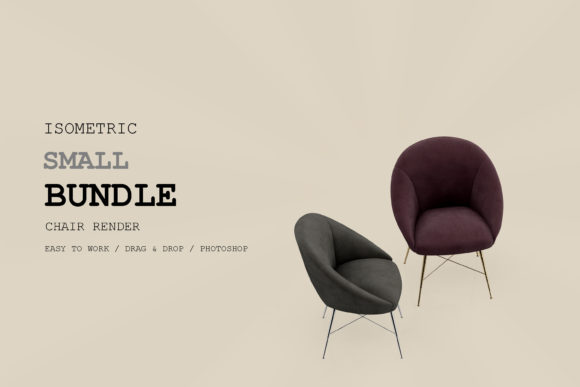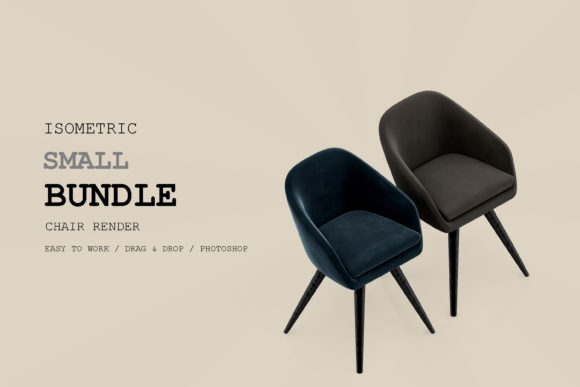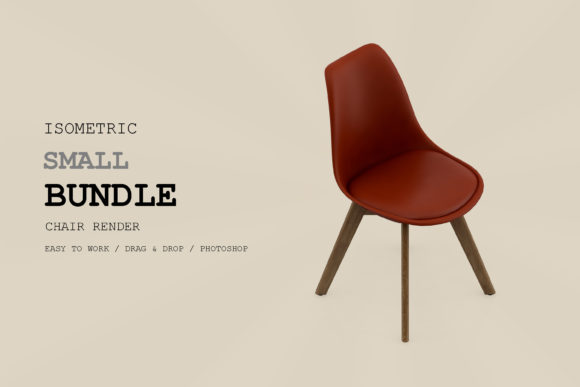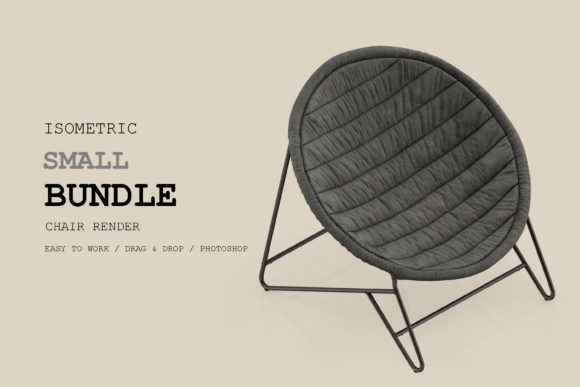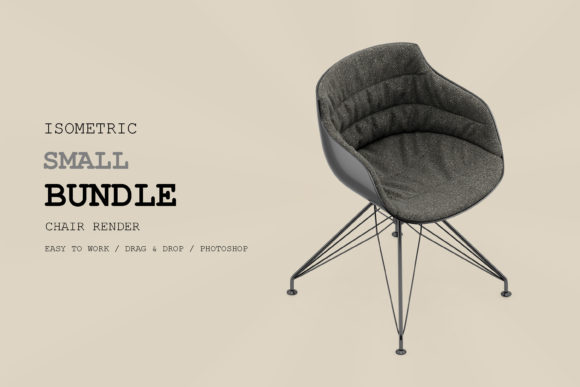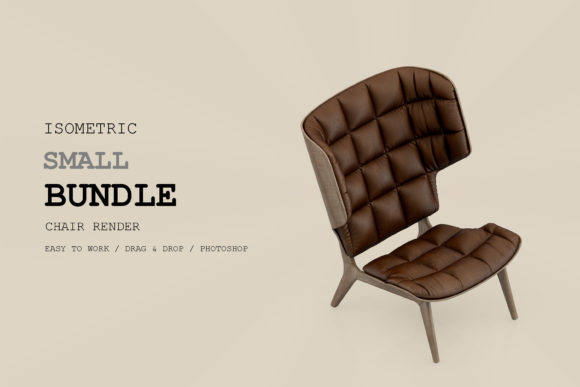
Isometric Chair 3D Render Pack 228
In the fast-paced world of digital design, finding high-quality assets that save time without sacrificing visual fidelity is a constant challenge. Designers, architects, and marketers often find themselves spending hours tweaking basic models or searching for the perfect perspective to illustrate a concept. This is where specialized asset packs become invaluable tools in a creative workflow. The Isometric Chair 3D Render Pack 228 stands out as a versatile resource designed to streamline the creation of isometric scenes, offering a blend of technical precision and aesthetic appeal.
At its core, this pack provides a meticulously crafted 3D representation of a chair, rendered specifically for isometric projection. Unlike standard orthographic views, isometric design offers a pseudo-3D look that is highly popular in infographics, UI/UX design, and modern web illustrations. It provides depth and dimensionality while maintaining the geometric clarity required for clean, professional layouts. Whether you are building a website interface, preparing a marketing brochure, or working on an architectural presentation, having a ready-to-use, high-fidelity model can significantly accelerate your project timeline.
Technical Specifications and Quality Standards
What sets the Isometric Chair 3D Render Pack 228 apart from generic clipart or low-resolution images is its adherence to professional production standards. Understanding the technical details helps users determine if it fits their specific project requirements, particularly when dealing with print media or large-scale displays.
- High Resolution and DPI: The renders are provided at high resolution with a DPI (Dots Per Inch) of 300. This is the gold standard for print projects. It ensures that when you scale the image up for posters, brochures, or business cards, the edges remain crisp and the textures do not pixelate. For screen-based work, these high-res files can be downscaled effortlessly, ensuring maximum sharpness on Retina displays and 4K monitors.
- Organized Layers: One of the most significant time-savers in any design process is file organization. This pack features organized layers, allowing designers to isolate specific components of the chair. You can adjust colors, modify materials, or remove background elements independently. This flexibility is crucial for branding consistency, enabling you to recolor the chair to match a company’s palette without needing to re-render the entire scene.
- Separed Shadow and Background: The inclusion of a separated background and isolated shadow adds immense practical value. In design, integrating objects seamlessly into a new environment requires accurate lighting and shadows. By providing the shadow separately, you gain control over its opacity, blur, and position. This allows the chair to sit naturally on any surface—be it a white webpage, a textured blog post header, or a complex architectural floor plan—without looking like it has been pasted on top.
- Comprehensive Help File: For those who may be less familiar with advanced 3D rendering software, the included help file serves as a valuable guide. It outlines how to import, edit, and export the assets, reducing the learning curve and ensuring that even hobbyists or beginners can utilize the pack effectively.
Practical Applications Across Industries
The versatility of the Isometric Chair 3D Render Pack 228 means it can be deployed across a wide spectrum of industries and use cases. Its utility extends far beyond simple decoration; it serves as a functional communication tool.
Architecture and Interior Design
Architects and interior designers frequently use isometric views to communicate spatial relationships to clients who may not be adept at reading traditional blueprints. An isometric view of a room layout, featuring furniture like the chair from this pack, provides an intuitive understanding of scale and placement. Because the render is high-resolution and layered, designers can easily swap out the chair model to showcase different furniture options within the same scene, facilitating better client decision-making.
Digital Marketing and Web Design
In the realm of digital marketing, engagement is key. Isometric illustrations have become a staple in modern web design, particularly for landing pages, SaaS product demos, and tech blogs. They break up text-heavy content and guide the user’s eye through a narrative. Using the Isometric Chair 3D Render Pack 228, web developers can create consistent, branded visual languages. The separated shadow feature is particularly useful here, allowing the chair to cast a realistic shadow on the website’s background color, enhancing depth and interactivity.
Educational Materials and Social Media
Educators and content creators are increasingly turning to visual aids to enhance learning and engagement. For school projects, textbooks, or online courses, clear visuals are essential. A high-quality 3D render can explain concepts related to ergonomics, industrial design, or even basic geometry more effectively than a photograph. On social networks, visually striking posts perform better. The pack’s readiness for various platforms—from Instagram stories to LinkedIn articles—ensures that content remains professional and polished regardless of the channel.
Advertising and Print Media
When moving to print, the 300 DPI specification becomes critical. Advertisements in magazines, flyers, and outdoor billboards require vector-like clarity. While this is a raster render, its high resolution ensures it holds up well in most print applications. Marketers can use the chair in lifestyle ads, catalogues, or promotional materials. The ability to separate the object from the background allows for easy compositing into existing ad campaigns, saving the cost and time associated with photoshoots.
Strategic Benefits for Creators and Businesses
Adopting a standardized asset pack like the Isometric Chair 3D Render Pack 228 offers strategic advantages beyond just aesthetics. It promotes efficiency and brand coherence.
Efficiency and Productivity: Time is money in creative industries. Building a custom 3D model from scratch involves modeling, texturing, lighting, and rendering—a process that can take days. Using a pre-made, high-quality pack reduces this to minutes. Professionals can focus on the composition and messaging of their design rather than the mechanics of creating the asset itself.
Brand Consistency: For businesses, maintaining a consistent visual identity is vital. With organized layers, teams can quickly adapt the chair’s color scheme to match seasonal campaigns or brand guidelines. This ensures that whether the image appears on a website, a business card, or a trade show booth, it aligns perfectly with the overall brand voice.
Enhanced User Experience: In UI/UX design, clarity drives usability. Isometric graphics can simplify complex information. By using a clean, recognizable object like a chair, designers can anchor their interfaces in reality, making digital products feel more tangible and approachable. This subtle psychological cue can improve user engagement and satisfaction.
Considerations for Implementation
While the benefits are clear, successful implementation requires a thoughtful approach. First, consider the context of your design. Isometric styles work best when they complement the overall aesthetic of the project. Overusing them can lead to visual clutter, so balance is key. Second, always check the licensing terms associated with the pack. Ensure that your intended use—whether commercial, educational, or personal—is covered by the license agreement.
Furthermore, leverage the technical features fully. Don’t just drop the image onto your canvas. Use the separated shadow to adjust the lighting direction to match other elements in your scene. Use the organized layers to experiment with material finishes, such as changing leather to fabric, to see which resonates better with your audience. These small adjustments can elevate a good design to a great one.
In conclusion, the Isometric Chair 3D Render Pack 228 is more than just a collection of images; it is a productivity booster and a quality enhancer for a wide range of creative endeavors. Its high-resolution output, layered structure, and thoughtful separation of elements make it suitable for everything from casual blog posts to high-stakes architectural presentations. By integrating such professional-grade assets into your workflow, you not only save time but also elevate the visual communication of your projects, ensuring they stand out in an increasingly crowded digital landscape.