Isometric Chair 3D Render Pack 270: A Comprehensive Evaluation
In the modern digital landscape, visual communication is paramount. Whether you are an architect presenting a concept, a marketer designing a social media campaign, or a student working on a thesis project, the quality and versatility of your imagery directly impact how your message is received. Among the various assets available to designers, Isometric Chair 3D Render Pack 270 has emerged as a specialized tool for creating clean, professional isometric visuals. This article provides an objective evaluation of this asset pack, exploring its technical specifications, potential use cases, and the practical considerations that should guide your purchasing decision.
Understanding Isometric Chair 3D Render Pack 270
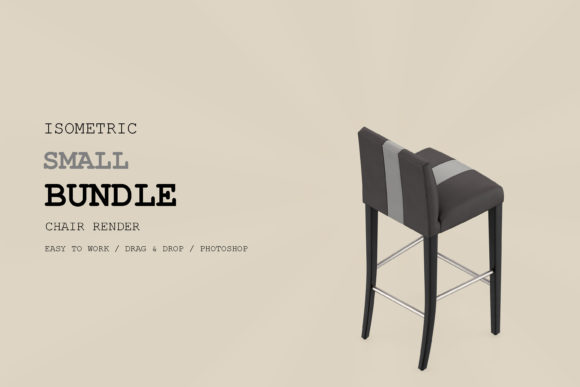
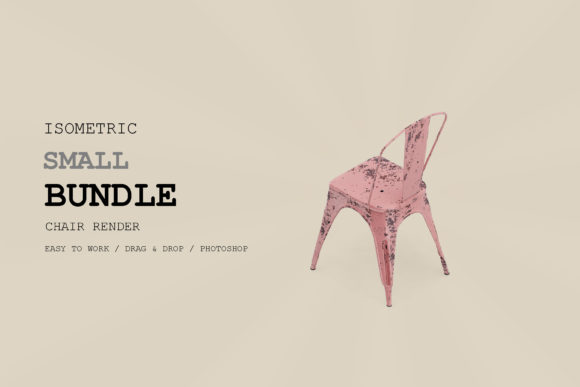
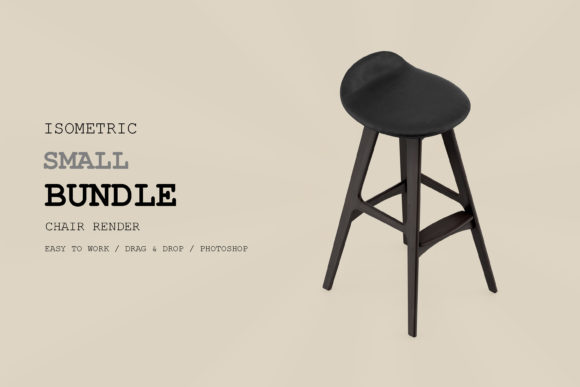
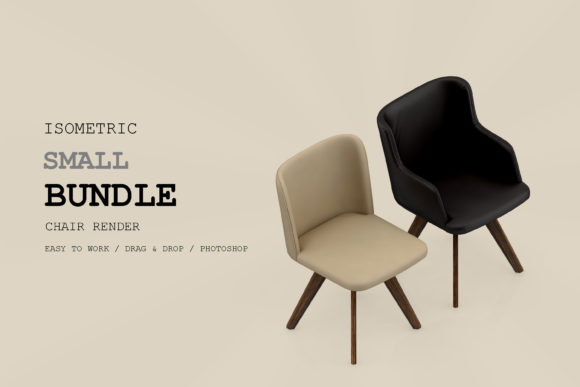
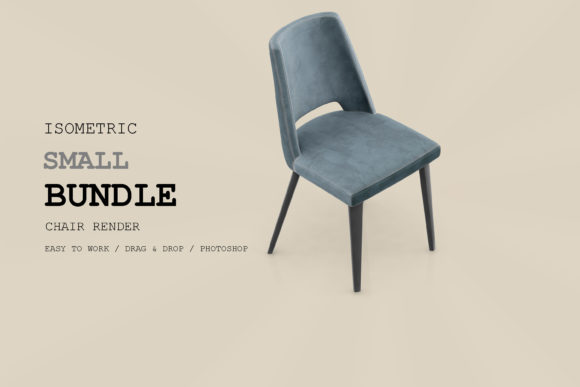
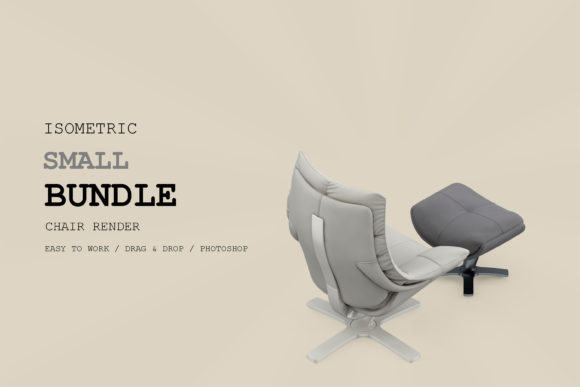
To evaluate whether this specific render pack meets your needs, it is essential to first understand what it offers. Isometric Chair 3D Render Pack 270 is a collection of high-resolution 3D rendered images featuring chairs designed in an isometric perspective. Unlike traditional perspective rendering, which uses vanishing points to create depth, isometric projection maintains parallel lines, resulting in a stylized, technical, yet visually appealing look. This style is particularly popular in UI/UX design, infographics, and architectural visualization because it allows viewers to understand spatial relationships without the distortion of traditional perspective.
The pack distinguishes itself through several key technical features. It includes separated backgrounds, which means the chair models are isolated from their environment. This separation is crucial for designers who need to integrate these elements into different layouts without spending time on complex masking or background removal. Furthermore, the inclusion of separated shadows adds realism and grounding to the images, allowing them to sit naturally within any composition. The files are organized with layers, providing flexibility for minor adjustments if the source files allow for such manipulation, though typically, "render packs" refer to finished image assets rather than editable 3D scene files. However, the mention of organized layers suggests a level of preparedness that aids in workflow efficiency.
Technical Specifications and Quality Standards
When selecting digital assets, resolution and file structure are critical factors. Isometric Chair 3D Render Pack 270 is marketed as a high-resolution product with a DPI (dots per inch) of 300. In the context of digital print production, 300 DPI is the industry standard for sharp, clear output. This specification ensures that when you use these renders in brochures, posters, or large-format prints, the images will remain crisp and free from pixelation. For web use, where screen DPI is typically lower, these high-resolution files can be downscaled without losing detail, ensuring optimal performance across devices.
The inclusion of a help file is another notable aspect of this product. While many digital asset packs rely solely on documentation provided by the marketplace, a dedicated help file often contains instructions on licensing, usage rights, and technical tips for integration. This support resource can significantly reduce the learning curve for users who may be less familiar with handling high-resolution graphic assets or managing layer structures in design software like Adobe Photoshop or Illustrator.
Practical Applications and Use Cases
The versatility of Isometric Chair 3D Render Pack 270 makes it suitable for a wide range of industries and projects. Understanding where these assets fit best can help you determine if they align with your current goals.
- Architecture and Interior Design: Architects frequently use isometric views to present floor plans and furniture arrangements. These renders can serve as placeholder objects or final presentation pieces, helping clients visualize how specific chair models might look in a proposed space.
- School Projects and Education: Students in design, architecture, or marketing courses often require high-quality visuals for presentations and portfolios. Using pre-made, professional-grade renders allows students to focus on layout and composition rather than struggling with 3D modeling skills.
- Social Media and Digital Marketing: Brands looking to maintain a consistent aesthetic on platforms like Instagram or LinkedIn often benefit from the uniformity of isometric designs. These packs allow marketers to quickly create engaging posts about furniture sales, interior trends, or lifestyle content.
- Web Design and E-commerce: Website designers can use these assets to create custom illustrations or icons. The separated backgrounds make it easy to place the chairs over various website sections, enhancing user experience with clean, modern graphics.
- Print Advertising: Due to the 300 DPI resolution, these images are well-suited for print materials such as flyers, catalogs, and magazine ads. The high quality ensures that the printed output matches the designer’s vision.
Evaluating Benefits and Tradeoffs
While Isometric Chair 3D Render Pack 270 offers significant advantages, it is important to weigh these against potential limitations. One of the primary benefits is time efficiency. Creating high-quality isometric 3D renders from scratch requires advanced software skills and considerable time. By using a pre-rendered pack, designers can accelerate their workflow and meet tight deadlines.
Another advantage is consistency. When working on a multi-page document or a series of social media posts, maintaining a consistent visual style is challenging. A single pack ensures that all chair images share the same lighting, angle, and stylistic approach, resulting in a cohesive final product.
However, there are tradeoffs to consider. The most significant limitation is the lack of customization. Since these are rendered images rather than editable 3D model files, you cannot change the color, material, or exact position of the chair. If your project requires a specific brand color or a unique angle not included in the pack, you will need to find alternative assets or invest in 3D modeling services. Additionally, while the separated backgrounds simplify integration, they may still require manual touch-up work depending on the complexity of the new background you are placing them against.
Decision-Making Insights: Is This Pack Right for You?
Determining whether to purchase Isometric Chair 3D Render Pack 270 depends largely on your specific requirements and skill set. If you are a designer who values speed and consistency, and your projects involve general-purpose isometric illustrations, this pack is likely a strong fit. The high resolution and organized structure suggest a professional-grade product that can elevate the quality of your work.
Conversely, if your project demands highly customized visuals—such as matching a specific brand palette exactly or integrating the chair into a dynamic, interactive 3D environment—you may find this static image pack limiting. In such cases, investing in editable 3D model files (such as .OBJ or .BLEND formats) or hiring a 3D artist might be more appropriate. Similarly, if you are working on low-budget projects where budget constraints are tighter, you might explore free alternatives, though these often lack the polish and organization found in premium packs.
Conclusion
Isometric Chair 3D Render Pack 270 represents a practical solution for professionals and students seeking high-quality, versatile isometric imagery. Its combination of high resolution, separated backgrounds, and broad applicability across various mediums makes it a valuable asset for many design workflows. By carefully assessing your need for customization versus efficiency, you can decide if this pack aligns with your creative goals. For those prioritizing polished, ready-to-use visuals that save time and enhance presentation quality, this pack offers a compelling option in the crowded market of digital design resources.