Isometric Chair 3D Render Pack 262: A Practical Evaluation for Designers and Creators
In the current landscape of digital content creation, visual consistency is not merely an aesthetic preference; it is a functional requirement. Whether you are constructing a brand identity, designing a user interface, or producing educational materials, maintaining a cohesive visual language across all assets significantly enhances professionalism and user engagement. This is where specialized asset libraries become indispensable tools in a creator’s workflow. Among these resources, the Isometric Chair 3D Render Pack 262 stands out as a targeted solution for professionals seeking high-quality, versatile furniture assets that adhere to strict technical standards.
This evaluation examines the specific features, technical specifications, and practical applications of this render pack. By analyzing its components—such as separated backgrounds, organized layers, and high-resolution output—we can determine how effectively it serves diverse use cases ranging from architectural visualization to social media marketing. The goal is to provide a clear, objective assessment of whether this asset fits into your existing production pipeline.
Technical Specifications and File Integrity
The foundation of any useful 3D asset library lies in its file structure and resolution. Low-quality renders often result in pixelation when scaled, while poorly organized files can waste hours of editing time. The Isometric Chair 3D Render Pack 262 addresses these common pain points through several deliberate design choices.
First, the inclusion of high resolution at DPI 300 ensures that the images are print-ready. In many commercial contexts, such as brochures, posters, or physical merchandise, screen resolution (72 DPI) is insufficient. Assets must maintain sharpness and clarity at larger physical sizes. By providing 300 DPI outputs, this pack allows designers to move seamlessly between digital and print mediums without needing to re-render or upscale images, which typically degrades quality.
Furthermore, the pack includes separated backgrounds. This feature is critical for integration into complex designs. It eliminates the need for tedious manual masking or background removal in software like Photoshop or Illustrator. For busy professionals, this separation translates directly into time savings, allowing for faster iteration and layout adjustments. The ability to place the chair instantly onto any backdrop—whether a solid color, a gradient, or a contextual scene—enhances the flexibility of the asset.
Another significant technical strength is the provision of organized layers. While some render packs offer flat PNGs, others provide layered PSD files that allow for further customization. Even if the primary use case is static imagery, having access to layer data means that shadows, highlights, or minor color adjustments can be made post-purchase. This adaptability extends the lifespan of the asset, as it can be tweaked to match evolving brand guidelines without requiring new purchases.
Visual Consistency and the Isometric Perspective
The choice of isometric projection is strategic. Unlike perspective views, which distort objects based on distance, isometric views maintain parallel lines and consistent scaling. This makes them ideal for infographics, UI elements, and instructional diagrams where spatial accuracy and readability are paramount.
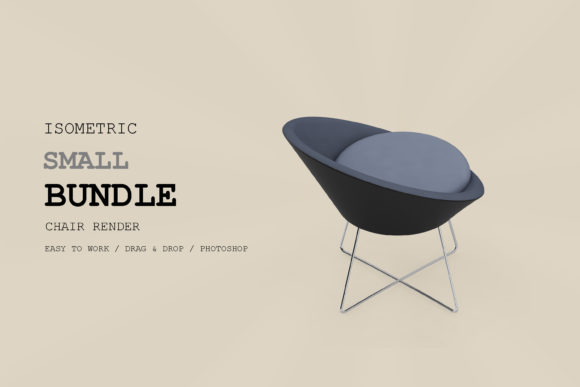
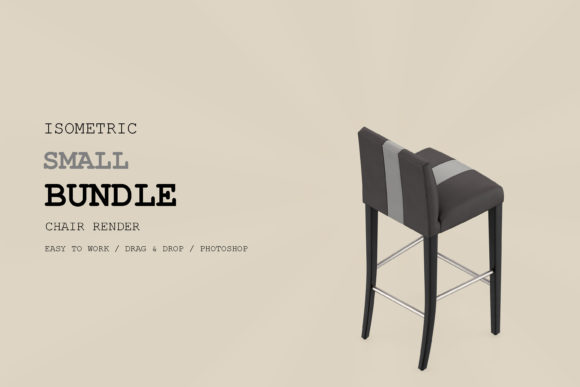
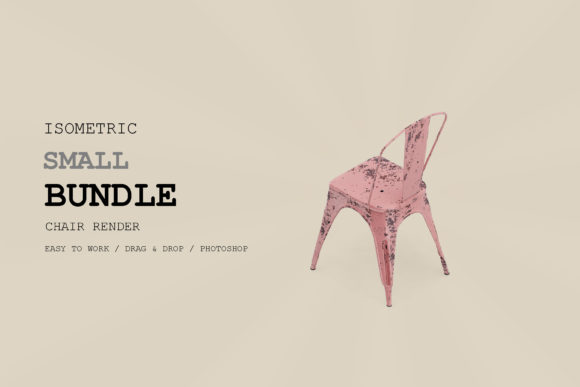
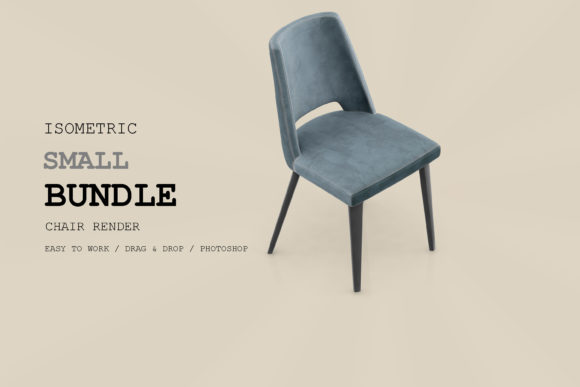
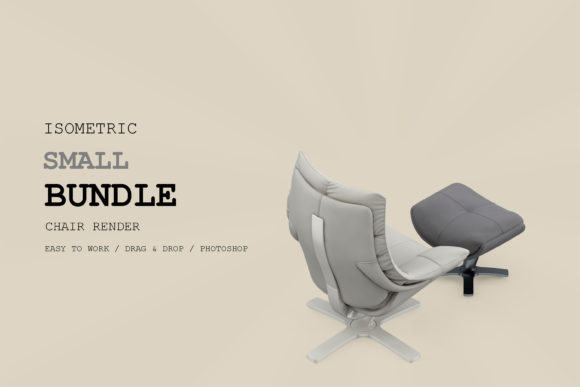
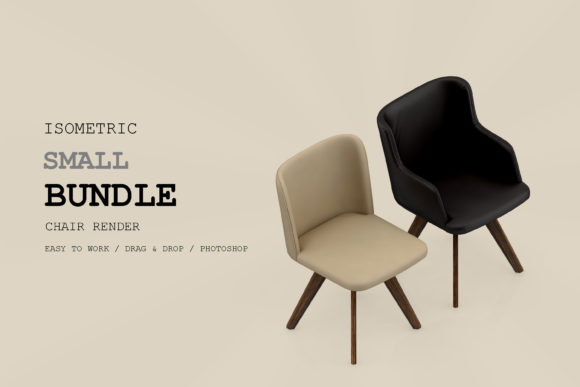
The Isometric Chair 3D Render Pack 262 leverages this perspective to create clean, modern visuals. Chairs are ubiquitous objects in interior design, office environments, and lifestyle photography. Representing them in isometric view allows them to fit neatly into grid-based layouts without disrupting the visual flow. The pack likely offers multiple angles and variations, ensuring that users can select the most appropriate representation for their specific context.
The separated shadow feature mentioned in the product description is particularly noteworthy. Shadows in isolation allow designers to control depth and grounding independently of the object itself. In a crowded composition, adjusting the opacity or blur of a shadow can make an element feel more integrated into the scene. This level of control is often lost in pre-baked renderings, making the separated shadow a valuable tool for achieving a polished, professional look.
Practical Applications Across Industries
Understanding where an asset can be used is just as important as understanding its technical specs. The versatility of the Isometric Chair 3D Render Pack 262 allows it to serve a wide array of industries and project types.
- Architecture and Interior Design: Architects and interior designers frequently use isometric illustrations to present space planning concepts. These renders can be used in client presentations to show furniture placement within a room layout. The high resolution ensures that details are visible even when projected on large screens or printed in portfolios.
- School Projects and Education: Educators and students working on design, architecture, or marketing projects benefit from ready-made, high-quality assets. Instead of spending weeks learning 3D modeling software to create a simple chair, students can focus on composition, theory, and presentation. The organized layers also provide a learning opportunity, allowing students to study how professional renders are structured.
- Social Media and Digital Marketing: Content creators and marketers need fresh visuals regularly. The isolated backgrounds and consistent style of this pack make it easy to create engaging posts for platforms like Instagram, LinkedIn, or Pinterest. Whether illustrating a "Home Office Setup" guide or a "Minimalist Living" trend, these assets provide a reliable visual anchor.
- Website and App Design: Web designers often require custom icons or illustrative elements that break away from standard stock photography. Isometric chairs can serve as decorative elements in landing pages, blog headers, or app interfaces, adding a touch of sophistication and uniqueness to the user experience.
- Print Projects: From magazine articles to trade show banners, the 300 DPI resolution ensures that the prints are crisp. Advertisements for furniture stores or home decor brands can utilize these renders to showcase products in a stylized, non-photorealistic manner that stands out in a cluttered market.
Usability and Workflow Integration
A key consideration for any digital asset is how easily it integrates into existing workflows. The inclusion of a help file is a small but impactful detail. Many asset providers neglect documentation, leaving users to guess at file formats or layer structures. A help file suggests a commitment to user support, reducing the friction associated with adoption. It may contain instructions on how to open the files, recommended software versions, or tips for best practices in compositing.
For freelancers and small business owners, time is money. The combination of separated backgrounds, organized layers, and clear documentation minimizes the learning curve. Users can start creating immediately rather than troubleshooting file compatibility issues. This efficiency is crucial for meeting tight deadlines in freelance work or rapid-response marketing campaigns.
Limitations and Considerations
No single asset pack is a universal solution. While the Isometric Chair 3D Render Pack 262 offers significant value, potential users should consider its scope. If your project requires hyper-realistic, photorealistic rendering with complex lighting interactions, an isometric vector-style or simplified 3D render might not meet those specific aesthetic goals. Similarly, if you need dynamic animations or 3D model files (like .OBJ or .FBX) for use in real-time engines like Unity or Unreal Engine, this pack likely contains raster images (PNG/PSD) rather than editable 3D geometry.
Additionally, the variety of chair styles included will dictate its suitability. If your brand requires mid-century modern specifically, and the pack only contains industrial styles, the asset may not align with your visual identity. Reviewing the preview images thoroughly before purchase is essential to ensure stylistic alignment.
Conclusion
The Isometric Chair 3D Render Pack 262 represents a thoughtful collection of assets designed for efficiency, quality, and versatility. Its technical strengths—high resolution, separated backgrounds, and organized layers—address the core needs of modern digital and print design. By facilitating seamless integration across various platforms, from school projects to high-stakes advertising, it provides tangible value to a broad audience of creators.
For professionals who prioritize consistency and speed, this pack offers a reliable resource that can enhance the polish of their work without demanding excessive time investment. While it may not replace the need for custom 3D modeling in every scenario, it serves as an excellent supplementary tool for enhancing compositions, illustrating concepts, and maintaining brand coherence. Ultimately, its worth is determined by how well it fits into your specific creative workflow and aesthetic requirements.