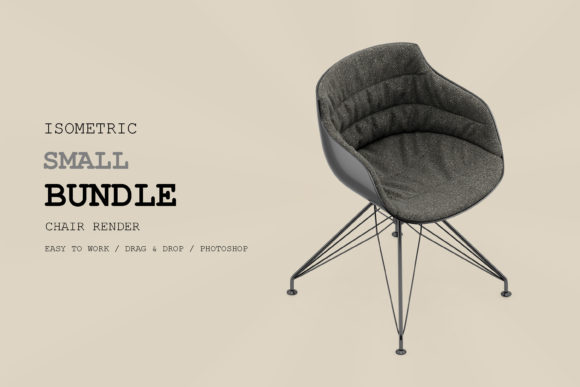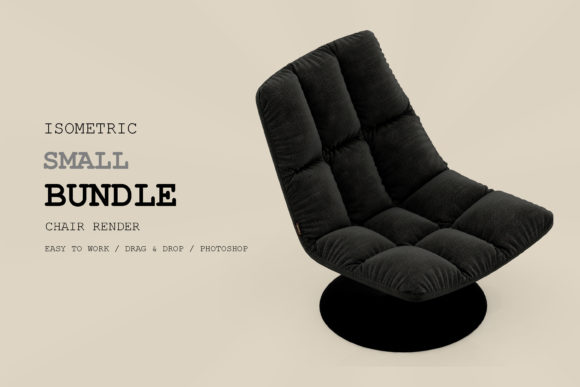
Isometric Chair 3D Render Pack 284
In the world of digital design, visual clarity is everything. Whether you are pitching a product concept to a client, illustrating a blog post about interior trends, or designing an educational module for students, the way you present your subjects can make or break the communication. This is where high-quality 3D assets become indispensable. Specifically, the Isometric Chair 3D Render Pack 284 has emerged as a versatile tool for creators who need clean, professional visuals without the steep learning curve associated with modeling from scratch. However, simply downloading a pack is not enough. To get the most out of this resource, you need to understand its technical specifications, its intended applications, and the common pitfalls that can ruin a project before it even begins.
Understanding the Asset: What Is Inside?
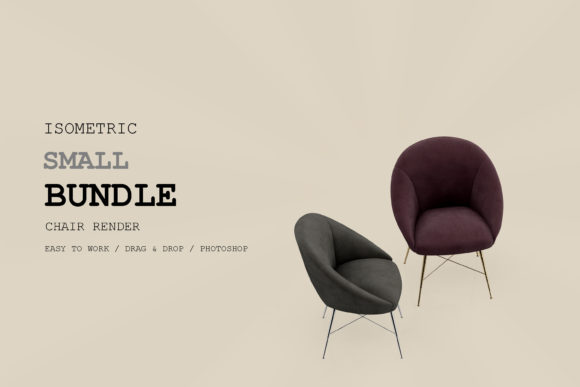
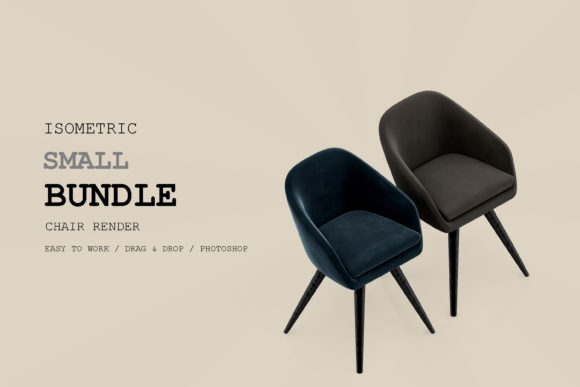
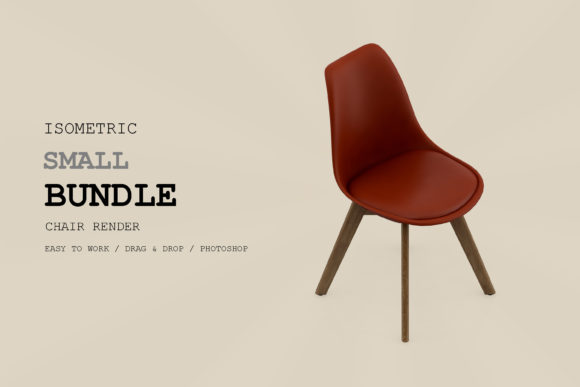
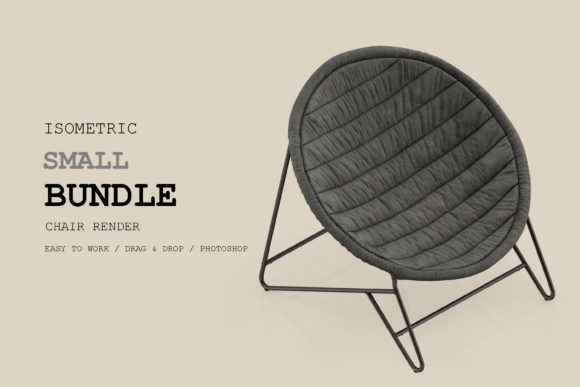
The Isometric Chair 3D Render Pack 284 is not just a single image file; it is a comprehensive collection designed for flexibility and precision. At its core, it provides high-resolution renders of chairs in an isometric projection—a method of graphical representation where three-dimensional objects are drawn in two dimensions so that all three axes appear equally foreshortened. This style is particularly popular in modern web design, infographics, and architectural visualization because it offers depth without the distortion of perspective.
What sets this specific pack apart is its attention to detail regarding file organization. It includes separated backgrounds, allowing designers to place the chair on any color or texture without complex masking. The inclusion of separated shadows ensures that the object looks grounded and realistic regardless of the lighting environment you create. Furthermore, the pack comes with organized layers, which is a critical feature for professionals who need to tweak colors, textures, or components after the initial render. The resolution is set at 300 DPI, making it suitable for both screen-based media and high-quality print materials.
Common Mistakes When Using 3D Render Packs
While having access to premium assets saves time, many users undermine their own efforts by making avoidable errors. Understanding these mistakes is the first step toward creating polished, professional work.
- Ignores Resolution Requirements: One of the most frequent errors is assuming all images are created equal. If you plan to use the Isometric Chair 3D Render Pack 284 for large-format printing, such as banners or brochures, using a low-resolution source will result in pixelation. Conversely, using a massive 300 DPI file for a simple social media thumbnail can slow down your website’s loading speed unnecessarily. Always match the asset's resolution to the medium.
- Neglects Layer Organization: Many beginners import PSD or layered files and immediately flatten them. This destroys the utility of the "organized layers" feature mentioned in the product description. By flattening too early, you lose the ability to adjust the shadow independently or change the background color without re-rendering or manually erasing pixels. Keep the layers intact until the final export stage.
- Misinterprets Lighting Direction: Because the pack includes separated shadows, it is tempting to ignore how those shadows interact with your scene. A common mistake is placing the chair on a dark background but leaving the shadow black, or placing it on a light background without adjusting the shadow's opacity. This creates a "floating" effect that breaks the illusion of reality. You must adjust the shadow layer to match the ambient light of your composition.
- Overlooking Compatibility: Not all design software handles 3D render packs the same way. Before starting a project, ensure your version of Photoshop, Illustrator, or Affinity Designer supports the file formats included in the pack. Attempting to open a complex layered file in an outdated version can lead to missing effects or corrupted data.
Where Can You Apply This Resource?
The versatility of the Isometric Chair 3D Render Pack 284 allows it to be used across a wide spectrum of industries. Here are some practical applications where this asset shines:
Educational and School Projects
For educators and students, visual aids are crucial for understanding spatial relationships. The isometric view helps explain furniture arrangement, room planning, and basic geometry. Because the pack includes a help file, it is easy for instructors to guide students through the process of manipulating these 3D objects in 2D space, making it an excellent teaching tool for introductory design courses.
Social Media and Digital Marketing
In the fast-paced world of Instagram, Pinterest, and LinkedIn, eye-catching graphics stop the scroll. Clean, isometric illustrations convey professionalism and modernity. You can use the Isometric Chair 3D Render Pack 284 to create consistent brand imagery for furniture stores, interior design firms, or lifestyle bloggers. The separated background allows you to easily swap the chair into different lifestyle contexts, such as a cozy living room or a minimalist office setup.
Architecture and Interior Design
Architects often need to present concepts quickly. While full 3D walkthroughs are impressive, they require significant rendering time. Isometric views offer a quick, clear snapshot of a space. Using a high-quality pack like this ensures that the furniture looks realistic and detailed, enhancing the credibility of the presentation. The 300 DPI resolution also means these images can be printed for physical portfolios or client meetings.
Websites and Blogs
Web designers constantly search for unique icons and illustrations to break up text and engage readers. Custom isometric graphics add a touch of sophistication that stock photos often lack. Since the Isometric Chair 3D Render Pack 284 features organized layers, you can customize the chair’s color to match your website’s branding palette perfectly, ensuring a cohesive visual identity.
Best Practices for Integration
To ensure you get the best results, follow these practical steps when integrating the Isometric Chair 3D Render Pack 284 into your workflow:
- Review the Help File First: The pack includes a help file specifically designed to guide you through the installation and usage process. Take the time to read it. It likely contains tips on layer naming conventions, recommended blending modes for shadows, and instructions for exporting optimized files for web vs. print.
- Test Before You Commit: Create a small test document to experiment with the layers. Try moving the shadow layer, changing its opacity, or adjusting the hue of the chair. This helps you understand the flexibility of the asset before applying it to a critical project.
- Maintain Consistent Scaling: If you are combining multiple items from the pack or other assets, ensure they are scaled proportionally. An isometric chair that is disproportionately large or small compared to other elements in your scene will look unnatural. Use guides or grid systems to maintain accurate proportions.
- Optimize for Your Platform: When saving your final design, choose the right format. For web use, save as PNG-24 to preserve transparency and quality, or JPEG if file size is a major concern. For print, ensure you are working in CMYK color mode and that the resolution remains at 300 DPI.
Final Thoughts on Making the Right Choice
Choosing the right 3D asset is about more than just aesthetics; it is about efficiency and control. The Isometric Chair 3D Render Pack 284 offers a robust solution for creators who value precision and flexibility. By avoiding common mistakes related to resolution, layer management, and lighting, you can produce stunning visuals that elevate your projects. Whether you are a seasoned architect, a freelance marketer, or a student working on your first design assignment, this pack provides the tools you need to communicate your ideas effectively. Remember, the quality of your output is directly tied to the care you take in preparation and execution. Invest time in understanding the asset, and it will reward you with professional-grade results.