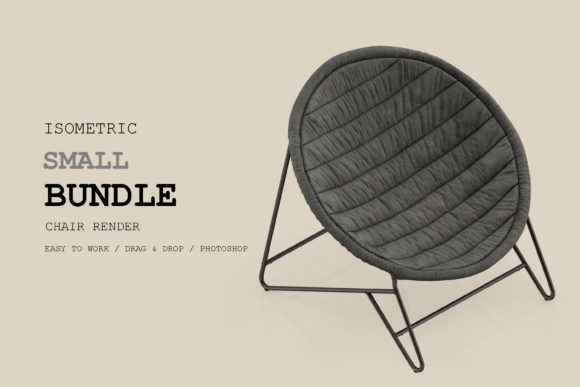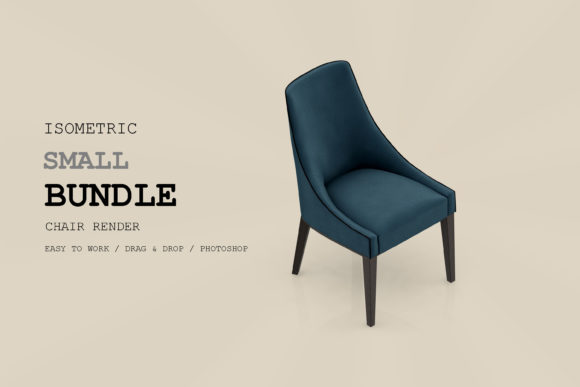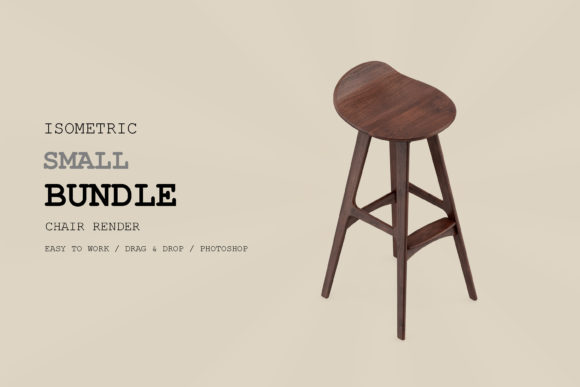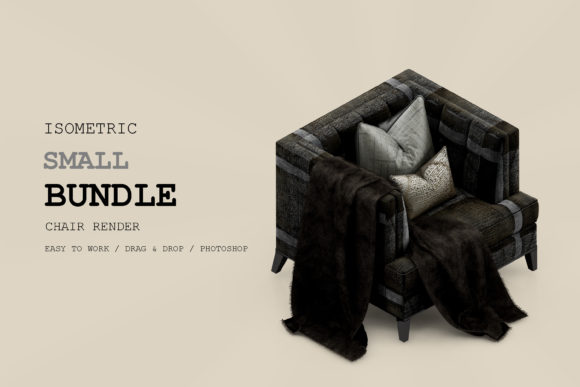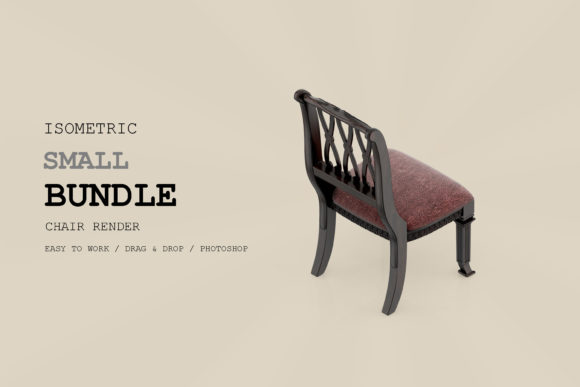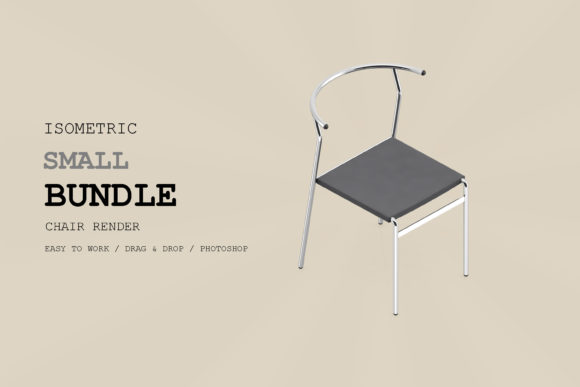
Isometric Chair 3D Render Pack 62: A Versatile Asset for Modern Design Projects
In the rapidly evolving landscape of digital design and visual communication, having access to high-quality, ready-to-use assets is no longer just a luxury—it is a necessity. Whether you are an architect presenting a concept, a social media manager crafting engaging content, or a student working on a final project, the efficiency with which you can produce professional visuals often dictates the success of your work. This is where specialized resources like the Isometric Chair 3D Render Pack 62 come into play. This comprehensive collection offers more than just images; it provides a structured, organized, and highly adaptable toolkit designed to streamline workflows across various creative disciplines.
The Isometric Chair 3D Render Pack 62 stands out in a crowded market of stock imagery due to its specific attention to technical detail and usability. Unlike generic photographs that may lack consistency or require extensive post-processing, this pack delivers separated backgrounds, organized layers, and separated shadows. These features are not merely cosmetic additions; they are functional elements that empower users to integrate these chairs seamlessly into any environment they choose to create. By understanding the depth and versatility of this resource, creators can unlock new levels of productivity and artistic expression.
Understanding the Core Features
To truly appreciate the value of the Isometric Chair 3D Render Pack 62, one must look beyond the surface-level aesthetics and examine the technical specifications that make it so useful. The pack is built on the principle of flexibility, ensuring that each asset can be manipulated to fit unique design requirements without losing quality or integrity.
High Resolution and Print Readiness
One of the most critical aspects of any design asset is its resolution. The Isometric Chair 3D Render Pack 62 boasts a high-resolution output with a DPI (dots per inch) of 300. In the world of graphic design, 300 DPI is the gold standard for print materials. It ensures that when a chair rendered in this pack is placed onto a brochure, poster, or architectural presentation board, the edges remain crisp and the details remain sharp. For professionals who bridge the gap between digital concepts and physical print, this specification eliminates the common frustration of pixelated or blurry graphics that ruin the professionalism of a layout.
Organized Layers and Separated Elements
Perhaps the most significant advantage of this pack is its file organization. The assets come with organized layers, which means that complex elements such as the seat, legs, backrest, and structural supports are often isolated within the software file (typically PSD or similar formats). This allows designers to edit specific parts of the chair independently. For instance, you might want to change the color of the upholstery while keeping the frame texture intact, or perhaps remove a leg to create a floating effect. The ability to manipulate these components individually saves hours of time compared to starting from scratch or using flat images.
Furthermore, the inclusion of a separated shadow adds a layer of realism that is difficult to achieve manually. Shadows ground objects in a space, providing context and scale. By having the shadow separated from the main object, designers have full control over its opacity, blur, and angle. This means the chair can be placed on a dark background, a light background, or even a textured floor, and the shadow will adapt appropriately, maintaining visual cohesion.
Simplified Backgrounds
The pack also features separated backgrounds. While some designs call for a clean white void to highlight the product, others require a transparent canvas to overlay onto existing scenes. This separation gives the user complete freedom to decide how much context to provide. It transforms the chair from a static image into a dynamic component of a larger composition.
Practical Applications Across Industries
The utility of the Isometric Chair 3D Render Pack 62 extends far beyond simple decoration. Its diverse feature set makes it suitable for a wide array of professional and educational scenarios. Let us explore where this resource can add tangible value.
Architecture and Interior Design
For architects and interior designers, visualization is key. When presenting a modern living room concept or a minimalist office space, the choice of furniture sets the tone. Using the Isometric Chair 3D Render Pack 62 allows designers to place consistent, high-quality seating options into their 3D models or 2D floor plans. Because the render is in an isometric view—a perspective that shows three sides of an object simultaneously—it pairs perfectly with architectural diagrams and infographics. The separated shadow ensures that the furniture feels anchored in the virtual space, enhancing the believability of the design proposal.
Digital Marketing and Social Media
In the fast-paced world of social media, attention spans are short. Visuals need to be striking, clear, and instantly understandable. Brands selling home decor, office supplies, or lifestyle products can utilize these renders to create eye-catching posts, stories, and ads. The high resolution ensures that the images look premium on Instagram or Pinterest, while the organized layers allow for quick A/B testing of different colors or styles without needing to reshoot or re-render entire scenes. This agility is crucial for marketers who need to respond quickly to trends.
Educational and School Projects
Students in design, art, and architecture courses often struggle with the technical barriers of creating original 3D models. The Isometric Chair 3D Render Pack 62 serves as an excellent educational tool. It allows students to focus on composition, color theory, and layout rather than getting bogged down in the complexities of modeling software. By using pre-made, high-quality assets, students can produce portfolio-worthy projects that demonstrate their design sensibility. Additionally, the "help file" included with the pack can serve as a learning resource, guiding users through best practices for integrating 3D elements into 2D compositions.
Web Design and Blogging
Websites and blogs rely heavily on visual content to engage readers. Custom illustrations featuring isometric furniture can break up text-heavy articles and make them more visually appealing. For example, a blog post about "Ergonomic Office Solutions" could feature multiple variations of chairs from the pack to illustrate different ergonomic features. The web-friendly nature of the pack, combined with its high resolution, ensures that these images load efficiently while still looking sharp on high-DPI screens.
Advertisement and Packaging
In retail advertising, clarity is paramount. Consumers need to see what they are buying. Whether designing packaging for a furniture brand or creating a catalog layout, the Isometric Chair 3D Render Pack 62 provides versatile assets that can be scaled and rotated (if supported by the source file) to fit various formats. The separated background simplifies the process of placing the product against branded colors or promotional graphics, ensuring a cohesive brand identity across all marketing materials.
Evaluating Suitability and Best Practices
While the Isometric Chair 3D Render Pack 62 is a powerful tool, it is important to approach its usage with a clear understanding of its strengths and limitations. Not every project requires such detailed assets, and knowing when to use them is part of effective design strategy.
Strengths: The primary strength lies in its time-saving potential and professional quality. The organized layers and separated elements reduce the friction of the design process. The high DPI ensures longevity, meaning the assets can be used in both digital and print contexts without degradation. The isometric style is particularly trendy and effective for explaining spatial relationships.
Considerations: Users should be aware that while the pack offers great flexibility, it does not replace the need for good design principles. Simply dropping a chair into a layout does not guarantee a successful result; composition, lighting consistency, and color harmony still matter. Additionally, depending on the software used to open the files, users may need to ensure compatibility with the layer structures provided.
Best Practices: To get the most out of the Isometric Chair 3D Render Pack 62, start by experimenting with the separated shadows. Adjusting the shadow’s intensity can dramatically change the mood of an image. Use the organized layers to customize the chairs to match specific brand palettes. Finally, always keep the help file handy if you encounter any technical questions regarding file structure or recommended settings.
Conclusion
The Isometric Chair 3D Render Pack 62 represents a thoughtful convergence of quality, utility, and accessibility. It caters to a broad audience, from seasoned professionals seeking efficiency to students and hobbyists looking for reliable resources. By offering high-resolution, organized, and flexible assets, it empowers users to elevate their visual storytelling across school projects, social networks, print media, architecture, and web design.
In a digital ecosystem where content volume is high and competition for attention is fierce, having tools that enhance both speed and quality is invaluable. This pack does not just provide images; it provides a foundation for creativity. Whether you are building a website, designing a brochure, or creating a social media campaign, integrating the Isometric Chair 3D Render Pack 62 into your workflow can lead to more polished, professional, and impactful results. As the demand for high-quality visual content continues to grow, resources like this will remain essential for anyone serious about visual communication.