Evaluating Isometric Chair 3D Render Pack 246 for Professional Design Projects
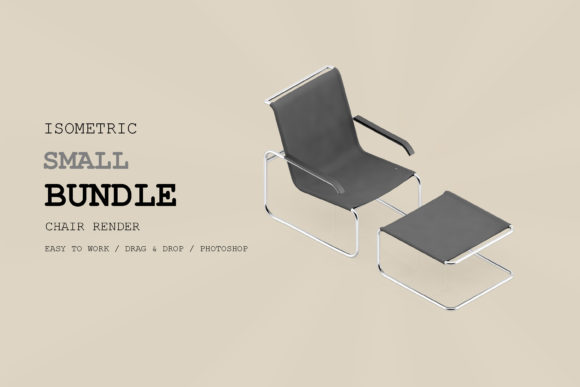
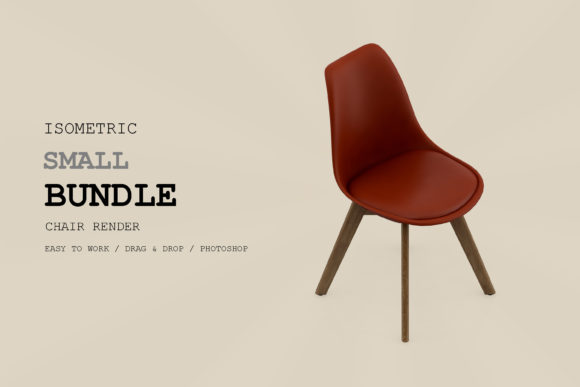
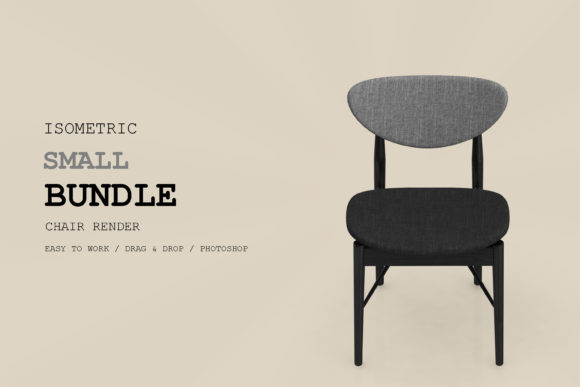
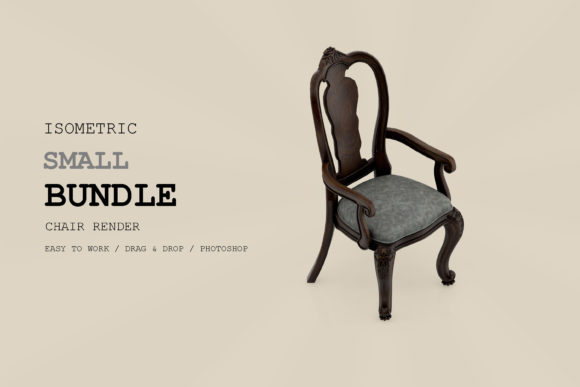
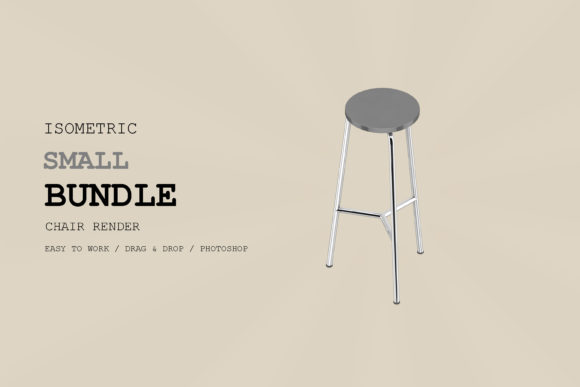
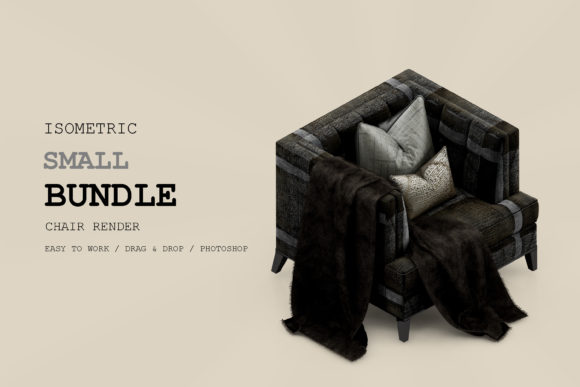
In the realm of digital design, particularly within architectural visualization and product marketing, the demand for clean, precise, and versatile visual assets has never been higher. Among the myriad of resources available to designers, Isometric Chair 3D Render Pack 246 stands out as a specialized tool designed to streamline the creation of isometric illustrations. This pack is not merely a collection of images; it is a structured resource intended to enhance workflow efficiency for professionals working in school projects, social media campaigns, print media, architecture design, blogs, advertisements, and website development.
Understanding the specific capabilities and limitations of this asset pack requires a closer look at its technical specifications, organizational structure, and practical applications. By examining these elements, designers can determine whether this pack aligns with their current project requirements or if alternative solutions might offer better value.
Technical Specifications and Asset Quality
The foundation of any high-quality 3D render pack lies in its resolution and file organization. Isometric Chair 3D Render Pack 246 addresses these critical factors with a focus on clarity and usability. The assets are provided in high resolution with a DPI (Dots Per Inch) of 300. This specification is crucial for designers who intend to use these renders in print projects. A 300 DPI standard ensures that when the chair models are scaled for brochures, posters, or magazine layouts, they remain sharp and free from pixelation, maintaining professional integrity across both digital and physical mediums.
Furthermore, the inclusion of a separated background significantly reduces post-processing time. In many design workflows, isolating subjects from their backgrounds is one of the most tedious tasks. By providing pre-seated chairs against transparent or isolated backdrops, this pack allows designers to integrate the furniture into various scenes without the need for complex masking or editing in software like Photoshop. This feature is particularly beneficial for rapid prototyping in school projects or quick turnaround advertisement materials where time is of the essence.
Organizational Efficiency and Layer Management
One of the distinguishing features of Isometric Chair 3D Render Pack 246 is its emphasis on organized layers and separated shadows. For users working with vector-based software or advanced raster editors, the ability to manipulate individual components of a 3D model is invaluable. The pack’s organized layer structure means that designers can adjust lighting, modify colors, or tweak perspective angles independently of the main object. This level of control transforms static images into dynamic assets that can be customized to fit specific brand guidelines or environmental contexts.
The separated shadow component is another key aspect that enhances realism. Shadows provide depth and grounding, preventing objects from appearing to float unnaturally. By keeping the shadow on a separate layer, designers have the flexibility to adjust opacity, blur, and position to match the lighting conditions of their final composition. This granular control is essential for creating cohesive designs in architecture presentations or detailed blog illustrations, where visual consistency is paramount.
The Role of the Help File
Accessibility and ease of use are further supported by the inclusion of a comprehensive help file. For beginners or those unfamiliar with isometric projection techniques, this documentation serves as a valuable guide. It likely covers installation processes, software compatibility, and tips for integrating the assets into common design platforms. This support system reduces the learning curve, allowing users to focus on creativity rather than troubleshooting technical issues. For educational settings, such as school projects, this help file can serve as an introductory resource for students learning about 3D modeling principles.
Comparative Analysis: Strengths and Tradeoffs
When evaluating Isometric Chair 3D Render Pack 246 against other options in the market, it is important to consider the tradeoffs between convenience and customization. Unlike fully editable .OBJ or .BLEND files, which offer unlimited manipulation but require significant processing power and expertise, this render pack offers a balanced approach. It provides high-fidelity visuals with moderate customization options through layered editing.
Strengths:
- Rapid Deployment: The pre-rendered nature of the assets allows for immediate use in designs, speeding up the production cycle for websites and social network content.
- Print Readiness: The 300 DPI resolution ensures suitability for high-quality print projects, a feature not always present in lower-cost digital asset packs.
- Consistency: Using a unified pack ensures that all chair models share a consistent style, lighting, and perspective, which is vital for maintaining a cohesive look across multi-page documents or extensive web interfaces.
Potential Limitations:
- Fixed Perspective: While isometric views are popular, they are fixed. If a project requires a dramatic angle change or a first-person perspective, this pack may not be suitable, necessitating a different type of 3D asset.
- Software Dependency: The benefits of organized layers are maximized in compatible software. Users relying on basic image viewers or simple mobile apps may not be able to leverage the full potential of the separated layers and shadows.
Ideal Use Cases and Applications
Determining when Isometric Chair 3D Render Pack 246 is the right choice depends largely on the specific needs of the project. Its versatility makes it applicable across a wide spectrum of disciplines.
Architecture and Interior Design
In architecture design, isometric views are often used to explain spatial relationships in a way that feels less abstract than traditional orthographic projections. This pack provides realistic chair models that can be placed into floor plans or room layouts to give clients a clearer understanding of scale and furnishing options. The separated shadows allow architects to simulate natural light sources accurately, enhancing the persuasiveness of their proposals.
Digital Marketing and Social Media
For social network campaigns and website banners, visual appeal and quick load times are critical. The high-resolution yet optimized nature of these renders makes them ideal for eye-catching advertisements. Designers can easily swap out chair models to showcase different interior styles, from modern minimalist to vintage classic, without needing to source new assets for every campaign. The separated background feature facilitates easy integration into branded templates, ensuring consistency across various marketing channels.
Education and Blogging
School projects often require clear, illustrative diagrams to convey concepts. The organized layers and help file make this pack an excellent resource for students learning about design principles. Similarly, bloggers covering topics related to home decor, furniture reviews, or DIY projects can use these renders to create custom graphics that stand out from stock photography. The unique isometric style adds a modern, tech-savvy aesthetic to written content, engaging readers more effectively than standard photographs.
Decision Factors: When to Choose This Pack
Readers should consider Isometric Chair 3D Render Pack 246 if their primary goal is to produce high-quality, stylistically consistent isometric illustrations quickly. It is particularly well-suited for projects that require print-ready outputs due to the 300 DPI specification. Additionally, if your workflow involves frequent adjustments to lighting and shadows within a layered environment, the separated shadow and layer organization will save considerable time.
Conversely, if a project demands highly dynamic camera movements, photorealistic ray-traced lighting simulations, or complete geometric modification of the chair structures, a fully editable 3D model file might be a more appropriate investment. However, for the majority of graphic design, web design, and presentation needs, this pack offers a robust balance of quality, flexibility, and ease of use.
Conclusion
The Isometric Chair 3D Render Pack 246 represents a thoughtful collection of assets designed to meet the diverse needs of modern designers. By combining high-resolution output, organized layer management, and user-friendly documentation, it provides a reliable foundation for creating compelling visual content. Whether used in academic settings, professional architectural visualizations, or commercial advertising, this pack empowers users to produce polished, professional results efficiently. As with any design resource, the key to success lies in matching the tool’s capabilities with the specific demands of the project at hand.