Isometric Chair 3D: A Practical Guide for Creators and Designers
When you are working on a digital project, the difference between a good design and a great one often comes down to detail. It is not just about having the right information; it is about presenting that information in a way that feels tangible, professional, and easy to understand. This is where an Isometric Chair 3D render Pack becomes incredibly valuable. Specifically, resources like the "Separated background – High resolution – DPI 300 – Organized layers – Separated shadow" pack offer more than just a pretty picture. They provide a versatile tool that saves time and elevates the quality of your work across multiple industries.
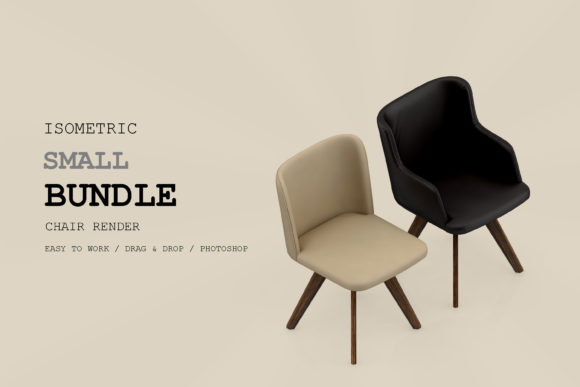
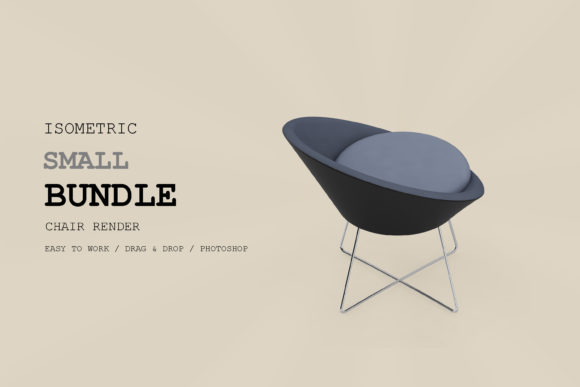
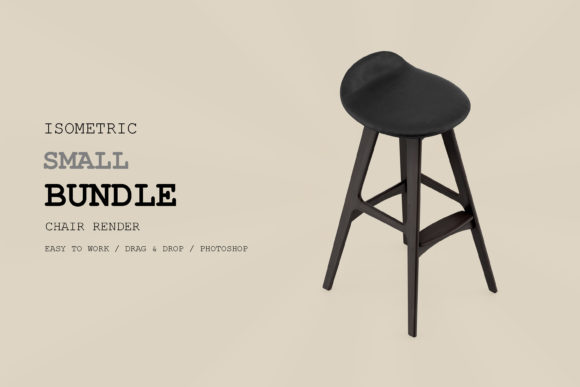
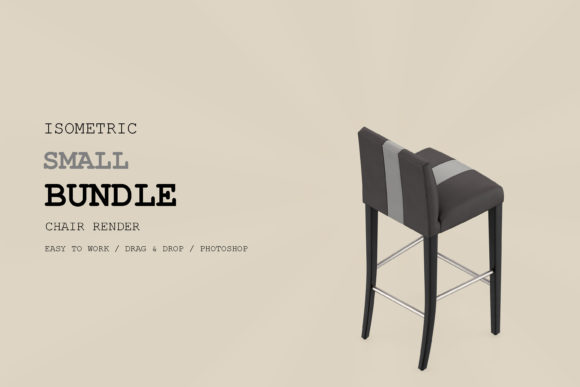
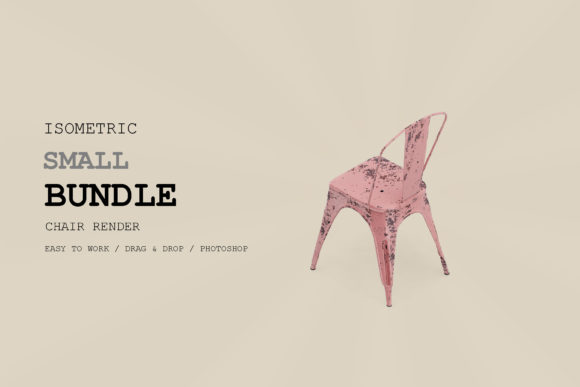
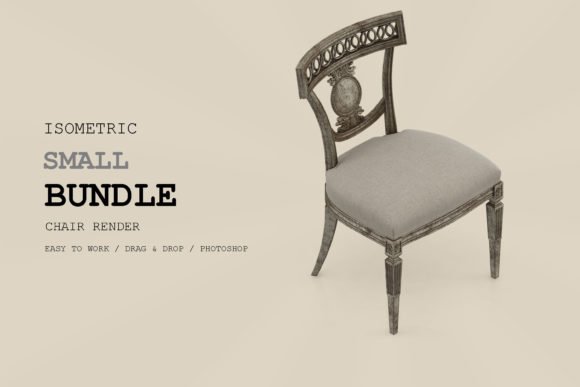
But what exactly is this asset, and why should you care? At its core, an Isometric Chair 3D model is a three-dimensional representation of a chair rendered in an isometric projection. Unlike standard perspective views, which converge at a vanishing point, isometric drawings maintain parallel lines. This creates a clean, technical, yet visually appealing look that is widely used in modern graphic design, architecture, and user interface development. When you download a high-quality pack with separated layers, you are getting a modular toolkit rather than a static image.
Why Layer Separation Matters in Real-World Projects
One of the most critical features mentioned in premium 3D packs is the separation of elements. You might wonder why separating the chair from its background or isolating the shadow is such a big deal. The answer lies in flexibility. In a real-world scenario, you rarely need to use a 3D model exactly as it was created. You need to adapt it to fit your specific layout, color scheme, and message.
Consider a scenario where you are designing a landing page for a furniture startup. If you have a flat PNG image of a chair, you are stuck with that exact lighting and angle. However, if you have an organized PSD or AI file with separate layers for the seat, legs, backrest, and shadow, you can manipulate those elements. You can change the color of the upholstery to match your brand guidelines, adjust the angle slightly by rotating individual components, or remove the shadow entirely to place the chair on a dark background without losing contrast. This level of control is what separates amateur designs from professional-grade output.
Practical Applications Across Different Industries
The utility of an Isometric Chair 3D extends far beyond simple decoration. Let’s look at how different professionals actually use these assets in their daily workflows.
Architecture and Interior Design Visualization
For architects and interior designers, clarity is king. Clients often struggle to interpret traditional blueprints or 2D floor plans. An isometric view bridges this gap perfectly. By placing a high-resolution 3D chair model into a room layout, designers can show clients exactly how a piece of furniture will occupy space. Because the pack includes separated shadows, the chair appears grounded and realistic within the scene, helping clients visualize scale and proportion without needing complex rendering software themselves. This reduces miscommunication and speeds up the approval process.
E-commerce and Digital Advertising
If you run an online store or manage social media ads for home goods, visual appeal drives sales. Standard product photos on white backgrounds are functional but boring. Using an isometric 3D render allows you to create dynamic, eye-catching graphics that stand out in a crowded feed. For example, you could arrange several chairs in an isometric cluster to showcase a collection, or isolate a single luxury chair with a soft, separated shadow to emphasize elegance. The high resolution (DPI 300) ensures that whether the image is viewed on a mobile screen or printed on a large banner, it remains crisp and detailed.
Education and School Projects
Teachers and students often need to explain concepts visually. Whether it is a history project about ancient seating, a physics lesson on structural integrity, or a design class presentation, an isometric model provides a neutral, clear focal point. Students can use the separated layers to experiment. For instance, a student studying ergonomics could modify the chair’s dimensions to demonstrate how changing the seat height affects posture. This interactive element turns a static image into a learning tool, making complex ideas easier to grasp.
Blog Content and Website Design
Content creators know that text-heavy articles can be dry. Breaking up paragraphs with relevant, high-quality visuals keeps readers engaged. An isometric chair graphic can serve as a featured image for a blog post about "The Evolution of Office Seating" or as an icon in a sidebar menu. Because the layers are organized, web developers can easily extract just the chair component to use as an SVG or transparent PNG, ensuring fast load times and seamless integration with various website themes.
Who Benefits Most from This Resource?
You do not need to be a professional 3D artist to benefit from these assets. The beauty of pre-made, organized packs is that they lower the barrier to entry. Here is who gains the most:
- Freelance Graphic Designers: Save hours of modeling time. Instead of building a chair from scratch, you import the asset, tweak the colors, and deliver a polished result to your client faster.
- Social Media Managers: Create consistent, branded content quickly. Use the same chair model across different posts, changing only the background or accessories to keep your feed fresh while maintaining a cohesive style.
- Small Business Owners: Enhance your marketing materials without hiring an expensive agency. Use the high-DPI files for both digital ads and printed brochures, ensuring your brand looks professional everywhere.
- Hobbyists and Hobbyist Bloggers: Add a personal touch to your projects. Whether you are documenting a DIY furniture restoration or sharing interior design tips, these renders add a layer of professionalism to your personal brand.
Things to Consider Before Using 3D Assets
While these packs are incredibly useful, there are practical considerations to keep in mind. First, always check the license agreement. Some packs are free for personal use but require a commercial license for business projects. Understanding this distinction protects you from legal issues later on.
Second, consider your workflow compatibility. Ensure the file format matches the software you use. If you are using Adobe Illustrator, look for vector-based or layered AI/PSD files. If you are working in Canva or other web-based tools, ensure the pack includes transparent PNGs. The "Help file" mentioned in many premium packs is also crucial—it often contains instructions on how to unlock layers, adjust shadows, or export files correctly, saving you frustration.
Finally, think about consistency. If you choose to use an Isometric Chair 3D in your branding, try to stick with a similar style for other elements. Mixing highly realistic 3D renders with flat, cartoonish icons can create a disjointed visual experience. By using a unified isometric style, you create a more immersive and trustworthy environment for your audience.
Conclusion
In a world where attention is scarce and competition is high, the quality of your visual communication matters. An Isometric Chair 3D render pack is not just a clipart image; it is a strategic asset that enhances clarity, saves time, and elevates your design. Whether you are pitching to a client, teaching a class, or selling products online, leveraging these organized, high-resolution models allows you to focus on your message rather than struggling with technical execution. By choosing the right tools and understanding their applications, you can transform ordinary projects into exceptional experiences.