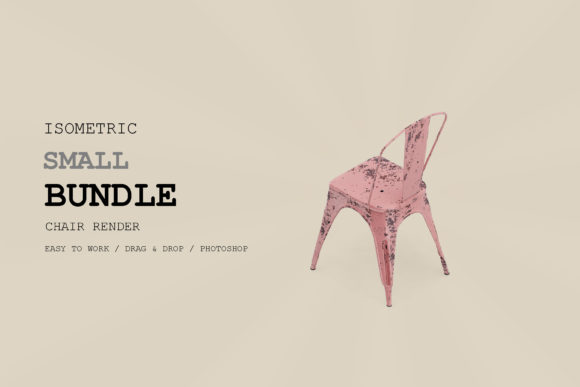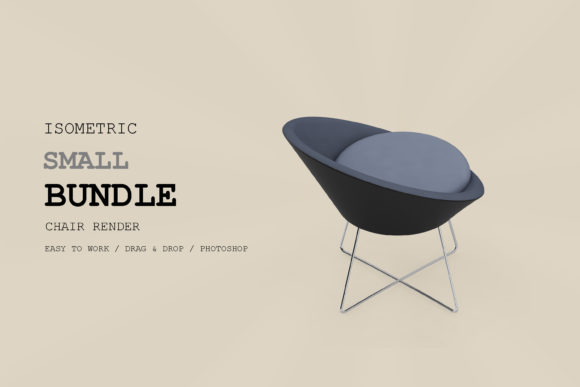
Isometric Chair 3D Render Pack 183: A Practical Resource for Digital Designers and Creators
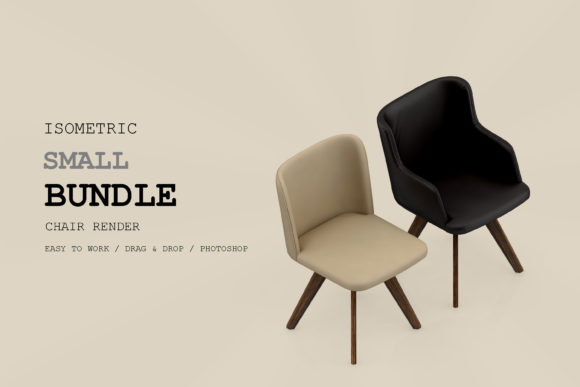
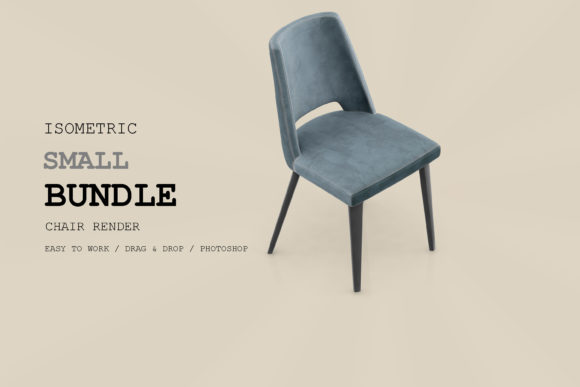
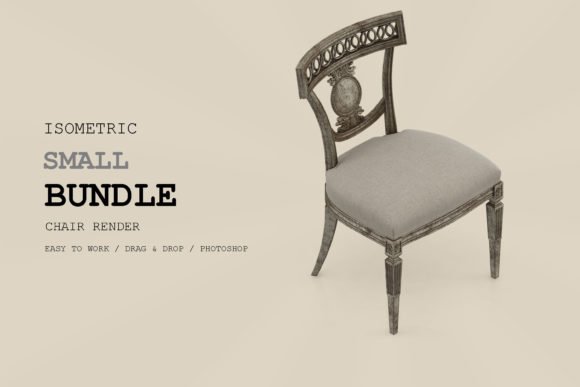
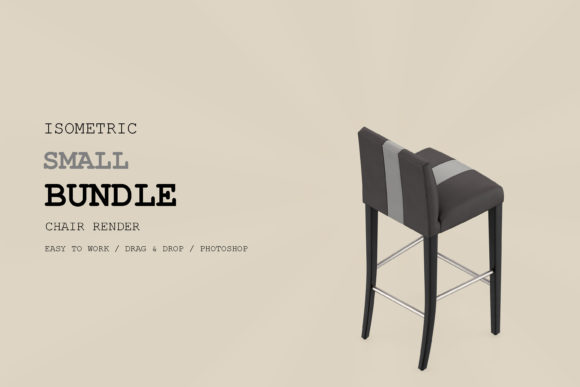
In the rapidly evolving landscape of digital content creation, visual clarity and aesthetic appeal are paramount. Whether you are designing a website interface, preparing marketing materials, or illustrating architectural concepts, the quality of your imagery can significantly impact user engagement and professional credibility. This is where specialized assets like the Isometric Chair 3D Render Pack 183 become invaluable tools in a designer’s workflow. Unlike generic stock photography, high-quality 3D renders offer precision, consistency, and versatility that static images often lack.
This article explores the specific features, applications, and benefits of using Isometric Chair 3D Render Pack 183. By understanding its technical specifications and creative potential, professionals and hobbyists alike can make informed decisions about integrating these assets into their projects. We will examine why this particular pack stands out due to its high resolution, organized layers, and separation of elements, providing a clear path for maximizing its utility across various industries.
Understanding the Core Features of the Render Pack
To appreciate the value of any design asset, one must first understand its technical construction. The Isometric Chair 3D Render Pack 183 is not merely a single image file; it is a comprehensive package designed to facilitate flexible editing and integration. The inclusion of a Help File indicates a user-centric approach, ensuring that even those less familiar with complex 3D software can navigate the files effectively.
High Resolution and DPI Standards
One of the most critical aspects of professional design is resolution. The render pack boasts High Resolution – DPI 300. In the world of print media, 300 dots per inch (DPI) is the gold standard for crisp, sharp output. This specification ensures that when you utilize the chair renders in brochures, posters, or business cards, the edges remain clean and the textures detailed, avoiding the pixelation that often plagues web-optimized images. For digital screens, while lower resolutions suffice, having access to high-DPI assets future-proofs your work, allowing for easy scaling without quality loss.
Organized Layers and Separated Elements
The true power of this pack lies in its structure. The description highlights Organized layers and a Separeted shadow. In design software such as Adobe Photoshop or Illustrator, working with flattened images limits your ability to adjust lighting, position, or background context. With separated layers, designers can:
- Isolate the Object: Remove the background entirely to place the chair on any custom backdrop, whether it be a minimalist white canvas or a complex architectural scene.
- Adjust Shadows Independently: The Separeted shadow feature allows for precise control over lighting direction and intensity. You can tweak the opacity, blur, or angle of the shadow to match the ambient lighting of your specific project, creating a more cohesive and realistic composition.
- Customize Colors and Textures: Depending on the layer organization, users may have the ability to modify specific parts of the chair, adapting it to brand colors or thematic requirements without needing to re-render the entire model from scratch.
Separated Background Options
The availability of an Isometric Chair 3D render Pack 183 – Separated background variant adds another layer of convenience. This means you receive versions of the asset both with and without backgrounds, saving time during the editing process. It eliminates the tedious task of manual cut-outs, allowing for immediate placement into designs. This efficiency is crucial for agencies and freelancers managing tight deadlines.
Diverse Applications Across Industries
The versatility of the Isometric Chair 3D Render Pack 183 makes it suitable for a wide array of use cases. Its isometric perspective—a 2D representation of a 3D object where the three coordinate axes appear equally foreshortened—is particularly popular in modern UI/UX design and infographics. Below are several scenarios where this asset proves exceptionally useful.
Architecture and Interior Design
Architects and interior designers often rely on isometric views to communicate spatial relationships clearly. An isometric chair render can help clients visualize how furniture fits within a room layout without the distortion of perspective lines. Using the high-resolution assets, designers can create photorealistic presentations that showcase material quality and scale. The separated shadow feature is particularly beneficial here, allowing architects to simulate natural sunlight or artificial lighting conditions accurately.
Web Design and User Interface (UI)
In the digital realm, isometric illustrations have become a staple for tech startups, SaaS platforms, and e-commerce sites. They convey complexity in a friendly, accessible manner. The Isometric Chair 3D Render Pack 183 can serve as a key element in landing pages, app interfaces, or dashboard illustrations. Because the layers are organized, developers can easily animate individual components if needed, adding subtle hover effects or transitions that enhance user interaction.
Print Projects and Advertising
For traditional marketing materials, the 300 DPI resolution ensures that the chair looks premium in catalogs, flyers, and advertisements. Businesses selling furniture, office supplies, or home decor can use these renders to create consistent visual themes across their print campaigns. The ability to separate the background allows for creative compositions, such as placing the chair in abstract environments or alongside other products to highlight features.
School Projects and Educational Content
Educators and students frequently seek high-quality visuals to explain concepts in geometry, design principles, or digital arts. The included Help File makes this pack accessible for academic settings, where users might be learning the basics of layer management or 3D visualization. It serves as an excellent teaching tool for demonstrating how isometric projection works in practice.
Social Media and Blogging
Content creators on platforms like Instagram, Pinterest, and LinkedIn benefit greatly from visually striking assets. Isometric graphics tend to perform well because they stand out in crowded feeds. Bloggers writing about productivity, home office setups, or design trends can embed these renders to break up text and maintain reader interest. The separated background option facilitates quick edits to add text overlays or branding elements directly onto the image.
Evaluating Suitability and Practical Considerations
While the Isometric Chair 3D Render Pack 183 offers numerous advantages, it is important to evaluate its suitability for your specific needs. Not every project requires a high-fidelity 3D asset, and understanding the limitations can save time and resources.
File Format Compatibility
Before purchasing or downloading, verify the file formats provided. Typically, such packs include PSD (Photoshop), AI (Illustrator), or EPS files. Ensure your preferred software supports these formats. If you are a beginner, the presence of a help file is a significant advantage, guiding you through opening and manipulating layered files.
Cohesion with Existing Branding
Consider the style of the chair render. Does it align with your brand’s aesthetic? Isometric designs often lean towards modern, clean, and minimalistic styles. If your brand relies on rustic, vintage, or highly ornate imagery, this pack might not be the best fit unless heavily modified. However, the organized layers provide the flexibility to adapt the look, though this requires additional design effort.
Technical Skill Level
Although the help file aids usability, working with multi-layered 3D renders does require a baseline proficiency in graphic design software. If you are unfamiliar with layer masking, blending modes, or shadow adjustment, there may be a learning curve. For non-designers, outsourcing the final composition to a professional who can utilize these assets might be a more efficient route.
Maximizing Value Through Best Practices
To get the most out of the Isometric Chair 3D Render Pack 183, consider adopting a few best practices. First, always work on duplicate files to preserve the original assets. Second, experiment with different background colors and shadows to see how they affect the perception of the chair. Third, combine multiple assets from the pack to create diverse scenes, such as a workspace setup or a meeting room configuration.
Additionally, leverage the high resolution for large-format prints. Many designers overlook the potential of 3D assets in physical media, but the clarity offered by 300 DPI renders can elevate a simple flyer into a tangible piece of art. Remember to check licensing agreements to ensure compliance, especially for commercial projects.
Conclusion
The Isometric Chair 3D Render Pack 183 represents a thoughtful blend of technical precision and creative flexibility. Its high resolution, organized layers, and separated background options make it a robust resource for anyone looking to enhance their visual communications. From architecture and web design to social media and education, the applications are vast and varied. By understanding its features and practical considerations, users can integrate this asset seamlessly into their workflows, achieving professional results with greater efficiency. Whether you are a seasoned designer or a student exploring digital art, this pack offers the tools necessary to bring your ideas to life with clarity and style.